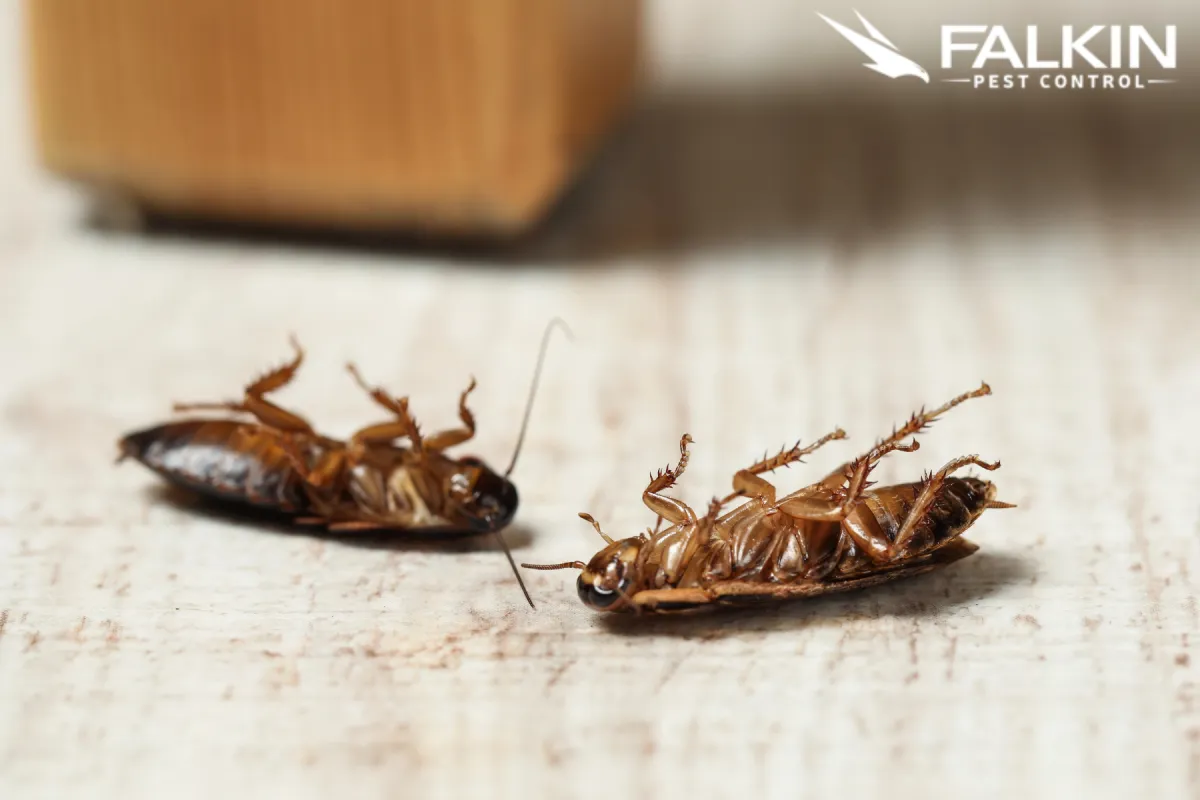
pest control
Professional pest control reduces the risk of recurring pest problems by shifting from reactive surface spraying to proactive, multi-layered Integrated Pest Management (IPM). Experienced technicians

Professional pest control reduces the risk of recurring pest problems by shifting from reactive surface spraying to proactive, multi-layered Integrated Pest Management (IPM). Experienced technicians
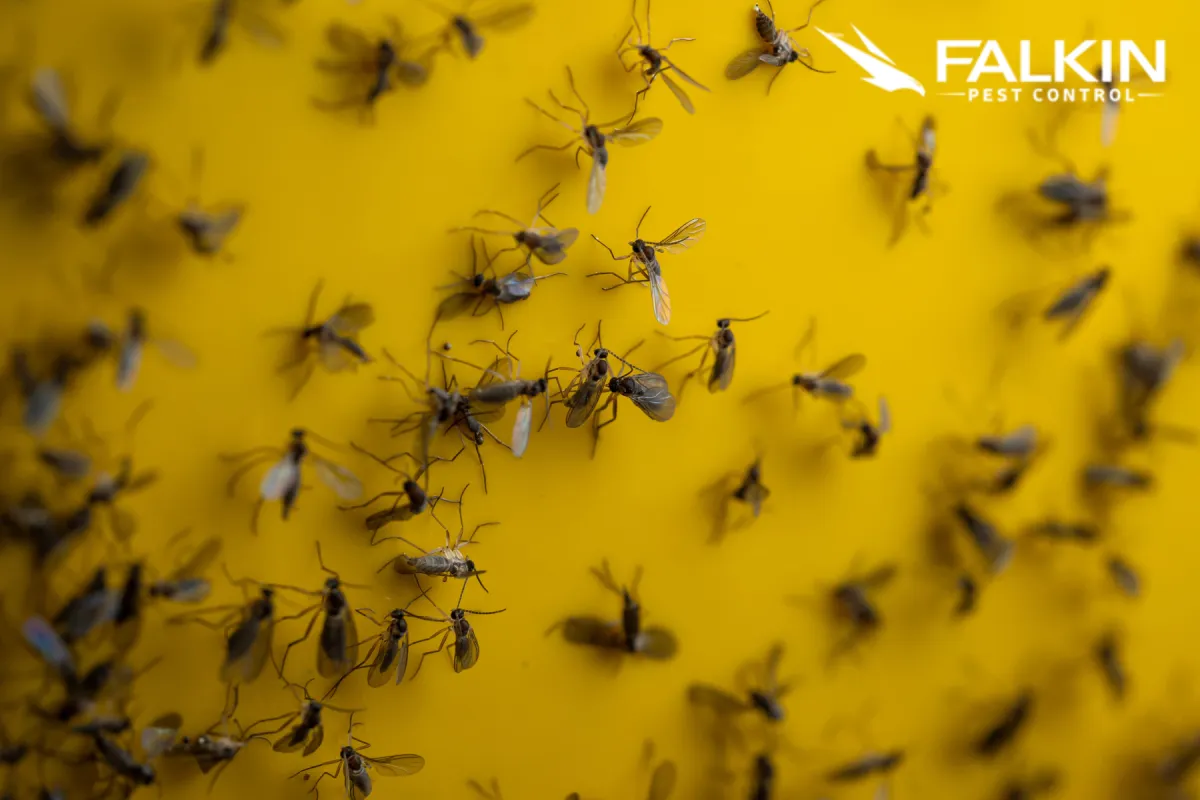
Some pest infestations require multiple pest control visits because protective egg casings shield unhatched larvae from initial treatments, deep structural harborages limit immediate product reach,
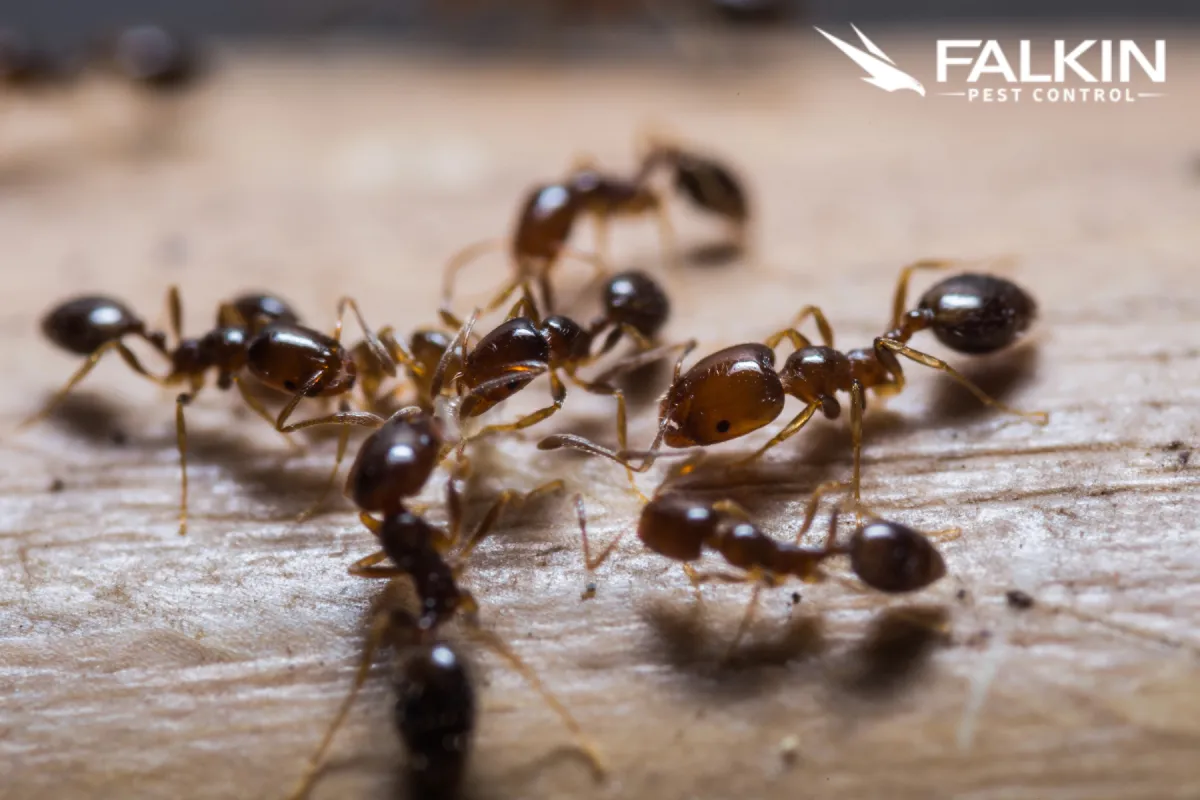
Before a professional pest control treatment, homeowners should clear countertops, pull furniture away from walls, and secure pets. After treatment, avoid wiping down perimeter barriers
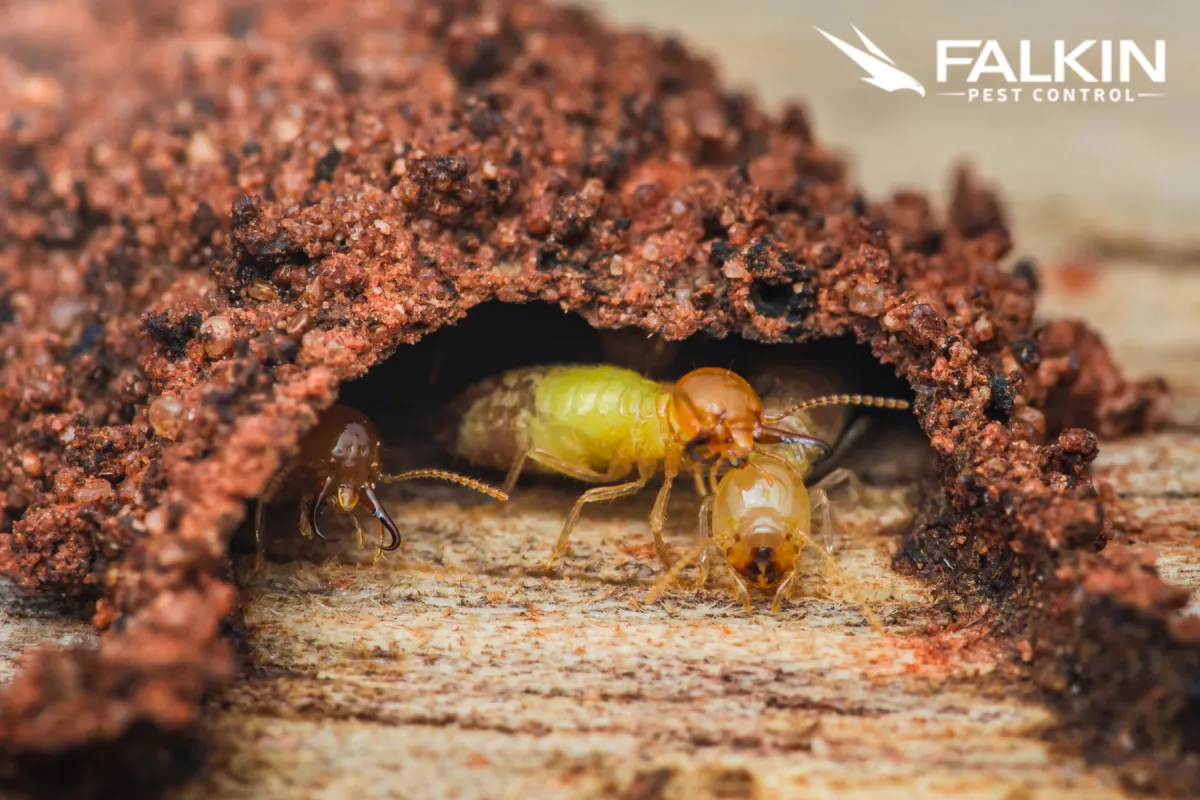
Pests keep returning after a professional service because dormant egg clutches hatch weeks later, unsealed entry paths allow new pests inside, or outdoor environmental pressures
Eco-friendly pest control treatments use low-toxicity, natural materials to establish a long-term barrier without causing harm to children, pets, or pollinators. While traditional pesticide treatments
Pest control service should be scheduled on a regular quarterly basis (every three months) for optimal long-term prevention. This consistent schedule allows professional technicians to
Traps, baits, sprays, and barriers serve distinct, complementary roles within a professional pest control plan, comparing as physical captures, targeted consumption systems, perimeter boundaries, and
A customized pest control plan is more effective than a one-size-fits-all treatment because it aligns specific biological solutions with your property’s unique structural design, environmental
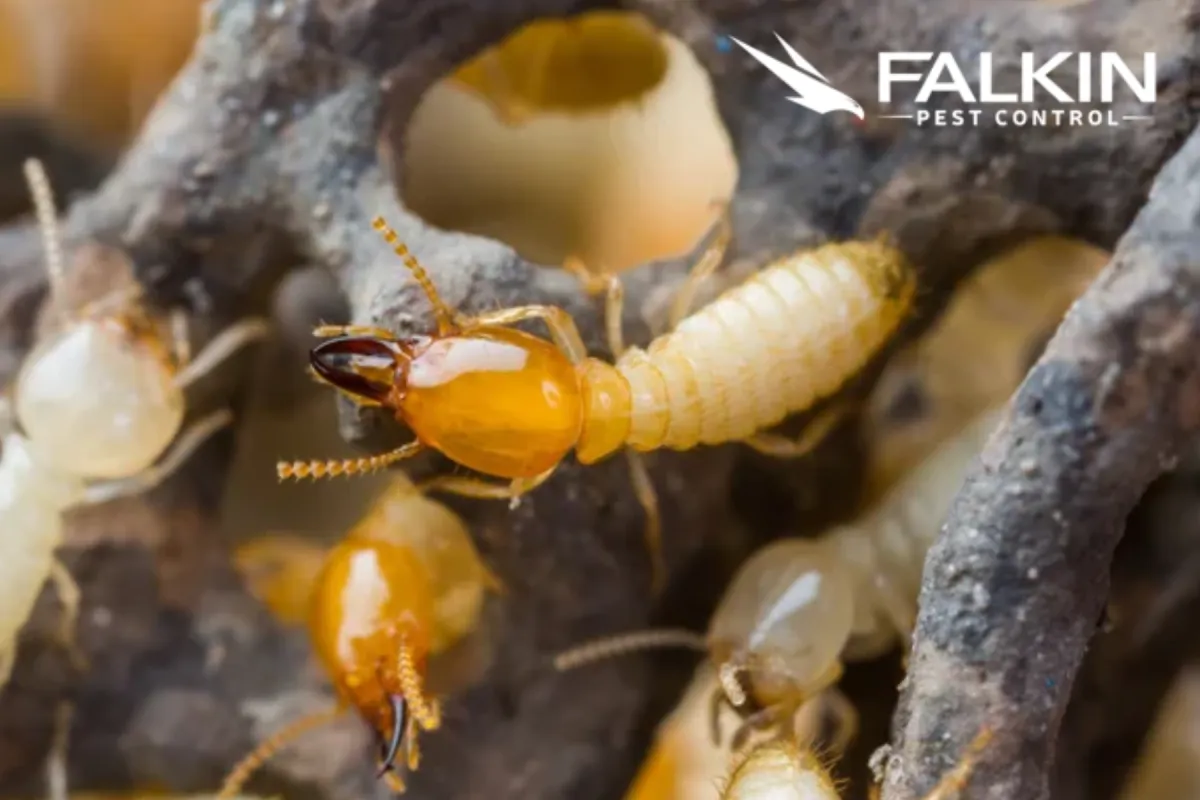
A professional pest control inspection determines the source and severity of an infestation by systematically analyzing structural entry vectors, tracking fresh biological markers, and mapping
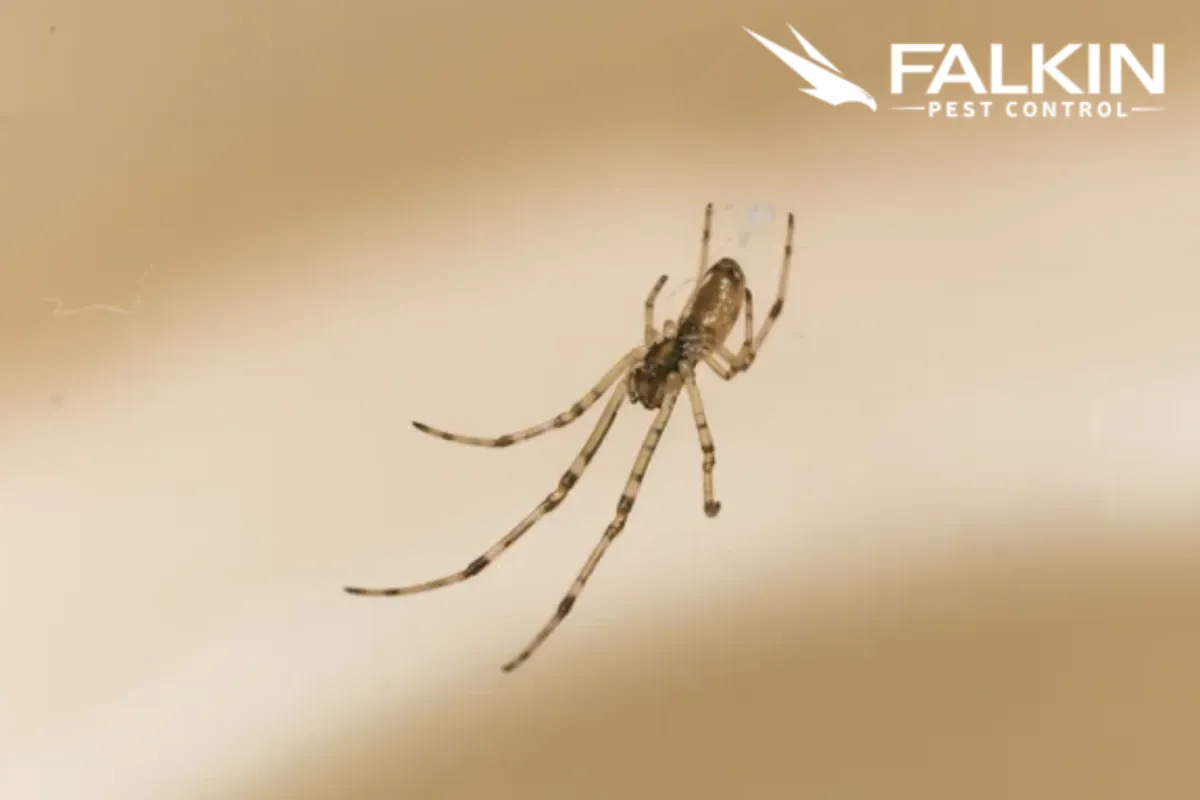
Moving furniture away from baseboards is necessary because the wall-floor junction serves as the primary “highway” and nesting site for most household insects. Creating a