Droppings in the pantry, a scratching sound in the attic at night, a gnawed corner on a cardboard box, it’s rodent activity, but is it a mouse or a rat? The two aren’t just a size difference. They act differently, they nest differently, and what you do about them isn’t quite the same either.
Droppings under a quarter-inch and pointed on the ends usually mean mice. Droppings closer to three-quarters of an inch with blunt, rounded ends mean rats. Mice are curious and explore constantly, so you’ll often see damage spread across a wide area. Rats are more cautious and tend to stick to one or two established paths, so their sign tends to be more concentrated.
What We Actually See on the Front Range
Most of what we’re called out for in the Denver metro, Boulder, and Longmont is house mice and deer mice, small, gray-to-brown, and very good at finding a gap the size of a dime. True rats, Norway rats and roof rats, show up less often here but aren’t rare, especially in older neighborhoods near the South Platte or Boulder Creek corridors, near open space, or on properties backing to irrigation ditches. If you’re in one of those areas and hearing something heavier than scurrying in the attic, it’s worth taking seriously. Professional pest control in Northglenn, CO can help identify what you’re dealing with and address potential entry points before the problem gets worse.
Droppings: The Fastest Way to Tell
- Mouse droppings: small, about the size of a grain of rice, pointed at both ends, and you’ll usually find a lot of them scattered around. Mice don’t travel far from a food source, and they go often.
- Rat droppings: noticeably bigger, closer to the size of an olive pit, with blunt rounded ends, and usually found in smaller, more concentrated piles along a consistent path.
- Fresh droppings are dark and moist-looking. Old ones are dry, gray, and crumbly, which tells you whether the activity is current or historical.
Other Signs That Point One Way or the Other
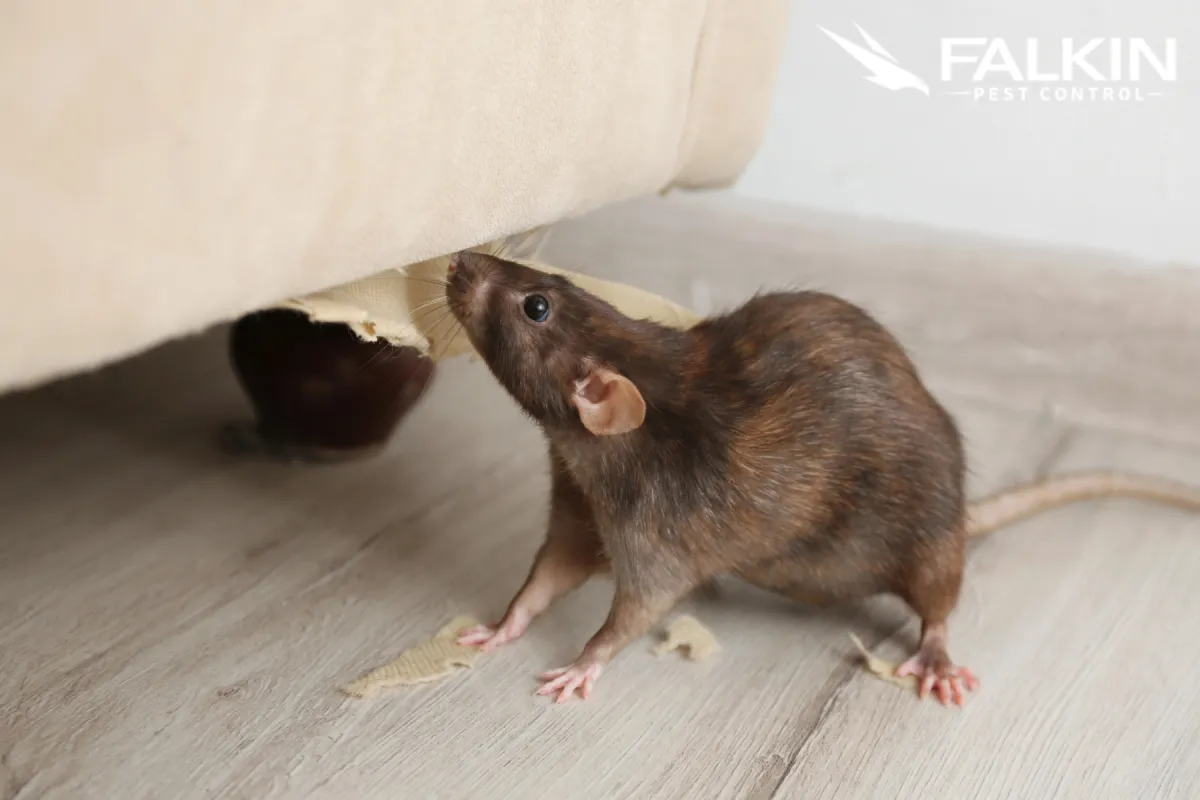
Gnaw marks tell a story too. Mice leave small, fine scratches, often on food packaging or the corners of boxes. Rats leave heavier gouges and can chew through material mice can’t touch, including some wiring and PVC, which is part of why a rat problem left alone gets expensive fast. If you’re noticing these signs, a Northglenn exterminator can help identify the rodent involved and determine where it’s getting into your home.
Nesting habits differ as well. Mice will nest close to a food source, inside walls, under appliances, in a cluttered garage. Rats are more likely to burrow outdoors near a foundation or under a shed, and come inside to feed rather than nest, especially Norway rats. If you’re finding burrow holes along your foundation line outside, that’s a rat sign a mouse problem won’t produce.
Why It Matters Which One You Have
The size of the gap each one needs to get in is different (a mouse needs about a dime-sized opening, a rat needs closer to a quarter), which changes where we focus exclusion work. Bait and trap placement differs too, and rats are noticeably more cautious around new objects in their environment, so a trap that would catch a mouse in a day might sit untouched by a rat for a week or more. Getting the ID right the first time saves you from weeks of a trap sitting empty while the problem keeps going. That’s where Northglenn pest control can help by identifying the rodent correctly and building the treatment strategy around what you’re actually dealing with.
Frequently Asked Questions
How do you tell if you have mice or rats?
Droppings are the fastest tell: small and pointed for mice, larger and blunt-ended for rats. Gnaw marks, nesting location, and how spread out the activity is (mice roam wider, rats stick to fewer paths) round out the picture.
Are rats scared of mice?
It’s actually the other way around in most cases. Mice tend to avoid areas with an established rat presence, since rats will sometimes prey on mice. If you had a mouse problem that suddenly went quiet and you’re now seeing larger droppings, that’s worth investigating.
Are rats cleaner than mice?
Neither is what most people would call clean. Both carry pathogens through droppings, urine, and contact with surfaces, and both are reasons to keep food storage tight and get an active infestation handled rather than letting it run its course.
About Falkin Pest Control
Falkin Pest Control provides dependable, personalized pest control solutions for homeowners and businesses throughout North Denver, Denver, Boulder, Longmont, and surrounding communities. Our team takes a practical, source-focused approach to pest problems, combining local expertise with environmentally responsible treatments and straightforward recommendations. We’re committed to responsive service, clear communication, and helping customers feel confident that their pest concerns are handled properly.
Not Sure Which One You’re Dealing With?
That’s exactly what an inspection is for. Contact us today, and we’ll identify what’s actually in your home, whether that’s mice, rats, or both, and put together a plan that seals the entry points, not just sets a few traps.