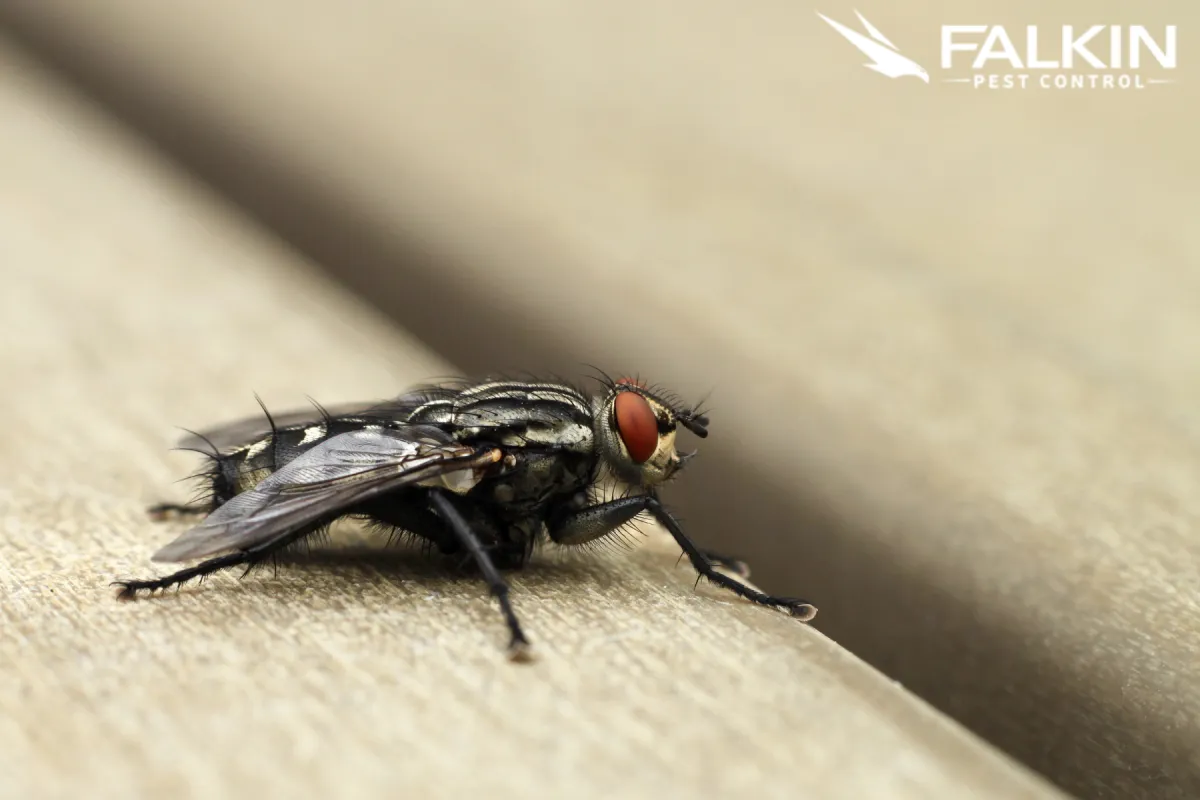
House flies keep coming back into your home because they are constantly drawn to hidden indoor breeding grounds like decaying food scraps, dirty trash cans, pet waste, and organic sludge in sink drains. Even when you kill the adult flies you see, hundreds of hidden eggs and larvae (maggots) continue to hatch inside wall voids, garbage disposals, and outdoor trash bins. Open doors, torn window screens, and unsealed utility gaps provide an easy pathway for outdoor flies to enter your living spaces continuously.
The Persistent Frustration of Recurring Fly Infestations
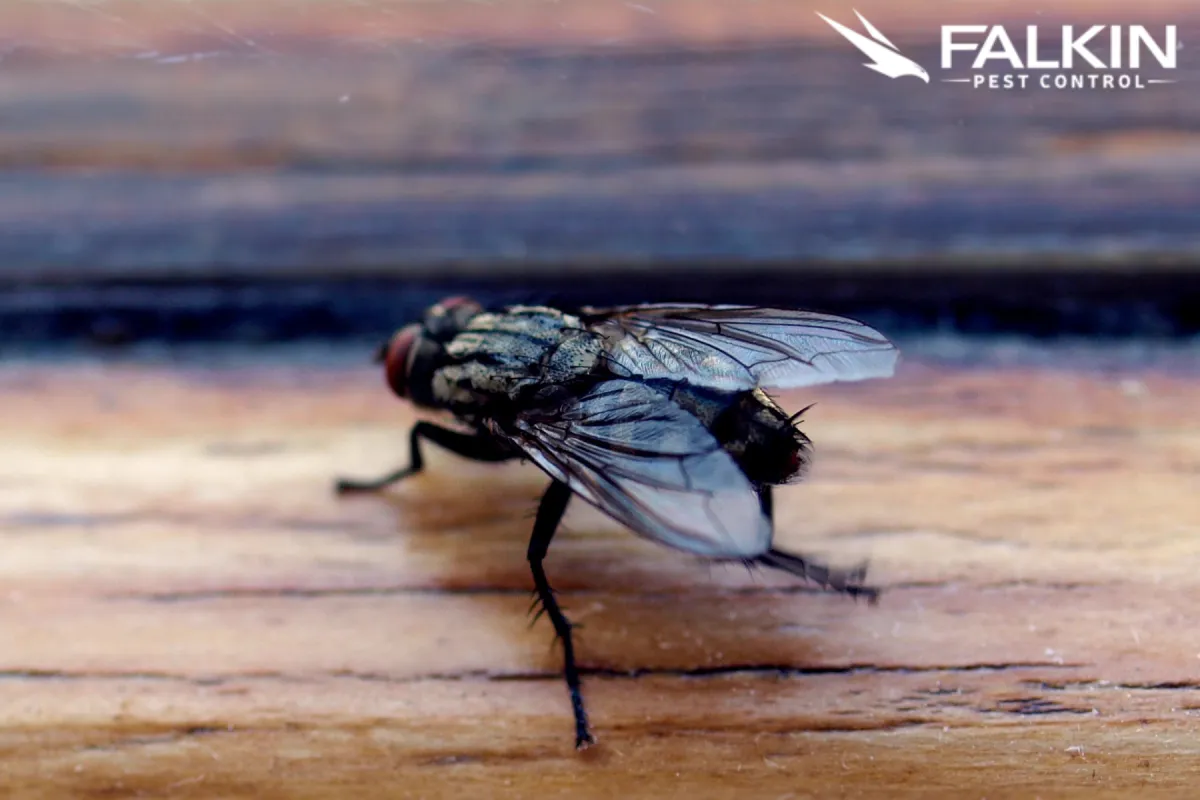
It is an exhausting battle: you swat three flies in your kitchen, only to find four more buzzing around your window glass an hour later. The common house fly (Musca domestica) is far more than an annoying nuisance. These flying pests feed on garbage, manure, and rotting matter, picking up dangerous bacteria like Salmonella and E. coli on their legs and mouths before landing directly on your kitchen counters, cutting boards, and dining tables.
Understanding why these pests keep returning requires looking at their rapid lifecycle and biological habits. A single female house fly can lay up to 500 eggs in her short lifespan, splitting them into small batches inside moist, decaying organic matter. In warm weather, those eggs hatch into larvae within just 12 to 24 hours. Because they reproduce so quickly, simply swatting adult flies does nothing to stop the hidden egg reserves waiting to emerge across your property.
Top Reasons House Flies Keep Re-Entering and Breeding Indoors
Stopping a recurring fly problem starts with identifying the exact conditions attracting them to your living space. Here are the main reasons house flies refuse to leave your home:
- Unresolved Food and Waste Sources: Open trash cans, overripe fruit on kitchen counters, uncovered pet food bowls, and dirty recycling containers act as prime feeding and egg-laying stations.
- Organic Biofilm in Sink Drains: Grease, food particles, and soap scum collect inside kitchen sink drains and garbage disposals, creating a dark, moist sludge where flies breed quietly.
- Unsealed Structural Pathways: Small tears in window screens, worn weatherstripping under exterior doors, unsealed attic vents, and open utility line gaps draw flies inside.
- Air Currents and Odor Plumes: Warm indoor air carrying food scents escapes through open doors and windows, creating a pathway that pulls outdoor flies straight into your home.
- Overlooked Outdoor Attractants: Uncollected pet waste in the yard, uncovered compost piles, and dirty outdoor trash bins create massive fly populations right outside your door.
- Targeting Only Adult Flies: Relying strictly on fly swatters or store-bought sprays only kills visible adults while leaving hidden egg batches and maggots completely untouched.
Surface Fly Sprays vs. Professional Recurring Fly Protocol
Many homeowners try to resolve fly issues with aerosol cans or sticky hanging ribbons. The chart below shows how surface DIY fixes compare to a professional eradication protocol:
| Evaluation Criteria | Store-Bought Sprays & Swatters | Professional Fly Control Services |
| Life Stage Focus | Kills visible adult flies only; ignores eggs and maggots. | Targets all four life stages, including eggs, larvae, pupae, and adults. |
| Breeding Source Action | Offers zero help locating or removing hidden drain sludge. | Locates hidden breeding sites in drains, wall voids, and garbage areas. |
| Structural Sealing | Leaves structural entry gaps, broken screens, and door voids open. | Identifies entry points and provides clear exclusion recommendations. |
| Residual Defense | No lasting barrier; new flies return as soon as the mist clears. | Applies long-lasting, targeted treatments around exterior entry zones. |
| Safety Profile | High risk of spraying chemicals near food prep surfaces. | Applies low-impact, targeted treatments safely away from food zones. |
Applying Our Integrated Management Strategy to Solve This
At Falkin Pest Control, we know that squashing adult flies is only a temporary band-aid. Eliminating a stubborn infestation permanently requires an intelligent approach that targets breeding grounds, entry points, and active populations all at once.
Our process starts with strict proper sanitation and waste management practices. We inspect your home to locate hidden attractants, such as organic sludge inside drain lines, unsealed trash bins, and hidden food spills behind appliances. During a recent home inspection for a client in Thornton, our technicians discovered that a recurring fly issue was stemming from a small buildup of organic debris hidden underneath a built-in outdoor grill area, which was constantly drawing pests indoors through a nearby sliding door.
To eliminate active populations safely, we use a balanced mix of insecticide sprays and baits alongside proven integrated pest management principles. Rather than relying on heavy chemical spraying throughout your home, we focus on eco-friendly management solutions that protect your indoor air quality while wiping out pests at the source.
Our team brings deep local knowledge to every job, allowing us to understand how seasonal climate shifts impact local pest behaviors. With Thornton pest control, we build customized solutions tailored to your property’s specific layout, using environmentally friendly products designed with your children and pets in mind. By combining drain treatments, targeted perimeter defenses, and structural guidance, we address fly problems at their source and help break the fly lifecycle for long-term control.
Common Misconception: “A Clean Kitchen Guarantees No House Flies”
A widespread myth in home care is that keeping your countertops wiped down and floors swept guarantees you will never deal with flies.
In reality, house flies do not need a dirty kitchen to thrive. A tiny smear of grease behind a stove, a damp mop stored in a dark closet, or a thin layer of buildup inside a sink drain provides more than enough food for hundreds of fly larvae. Furthermore, flies frequently breed outside in lawn debris, garden compost, or neighbor trash cans, flying into your home simply to escape outdoor heat or wind. Truly stopping flies requires looking beyond surface cleaning to address hidden drain moisture, outdoor yard attractants, and unsealed door gaps.
Technical Specifications & Control Equipment
Enzymatic Drain Foamers
Biological foam treatments that eat away grease, hair, and organic buildup inside sink pipes, removing the primary breeding grounds for fly larvae.
Insect Growth Regulators (IGRs)
Targeted compounds that disrupt the development of young insects, preventing maggots from maturing into adult flies without heavy chemical use.
Micro-Encapsulated Actives
Formulations that trap active ingredients in microscopic shells, providing long-lasting protection on exterior walls and door frames where flies rest.
Ultraviolet (UV) Insect Light Traps
Discreet indoor units that use specific UV light wavelengths to draw flying insects away from food areas and capture them on hidden glue boards.
Silicone & Mesh Exclusion Materials
Durable materials used to seal gaps around window frames, door thresholds, and utility pipes to block flies from entering your home.
People Also Ask
Why do house flies cluster around my windows?
House flies are naturally attracted to bright light. When they get inside your home, they fly toward windows trying to get back outdoors, often getting trapped between the glass and the window screen.
How long do house flies live, and how fast do they lay eggs?
Adult house flies live for about 15 to 30 days. In that time, a female can lay up to 500 eggs in small batches, which can hatch into maggots in as little as 12 hours during warm weather.
Can flies breed inside my garbage disposal or sink drain?
Yes. Food particles, grease, and soap scum form a moist layer of organic sludge inside drain pipes. This sludge provides an ideal environment for house flies, fruit flies, and drain flies to lay eggs.
Why do flies keep returning even after I spray them with bug spray?
Aerosol sprays only kill the adult flies you see floating in the air. If the hidden breeding source, like drain sludge or a dirty trash bin, is not cleaned and treated, new adult flies will hatch every day.
Reclaim a Comfortable Home with Falkin Pest Control
Dealing with persistent flies in your living space is frustrating, but you do not have to fight the battle alone. At Falkin Pest Control, our team is professional, reliable, and community-focused. We take pride in being a trustworthy and responsive partner, offering top-tier care with a strong emphasis on customer satisfaction. We prioritize honesty, transparency, and clear communication, ensuring you feel confident and well-informed every step of the way.
We are dedicated to creating a safer environment for your home by delivering treatments that are both efficient and environmentally responsible. Whether you need help identifying a mystery pest or require a trusted Thornton exterminator, our experienced team provides personalized attention that larger corporate chains simply cannot match.
If you are dealing with a stubborn infestation and need dependable pest control in Thornton, CO, we have you covered. From general house fly management to specialized rodent, bed bug, and mosquito services, we tailor our plans to meet your exact needs. When you need an effective solution, our reliable team is here to restore your comfort and peace of mind.
Take the first step toward a safe, fly-free home today
Contact us today to request more information or schedule your initial home inspection. You can also explore our full range of professional service plans to find the right solution for your needs.