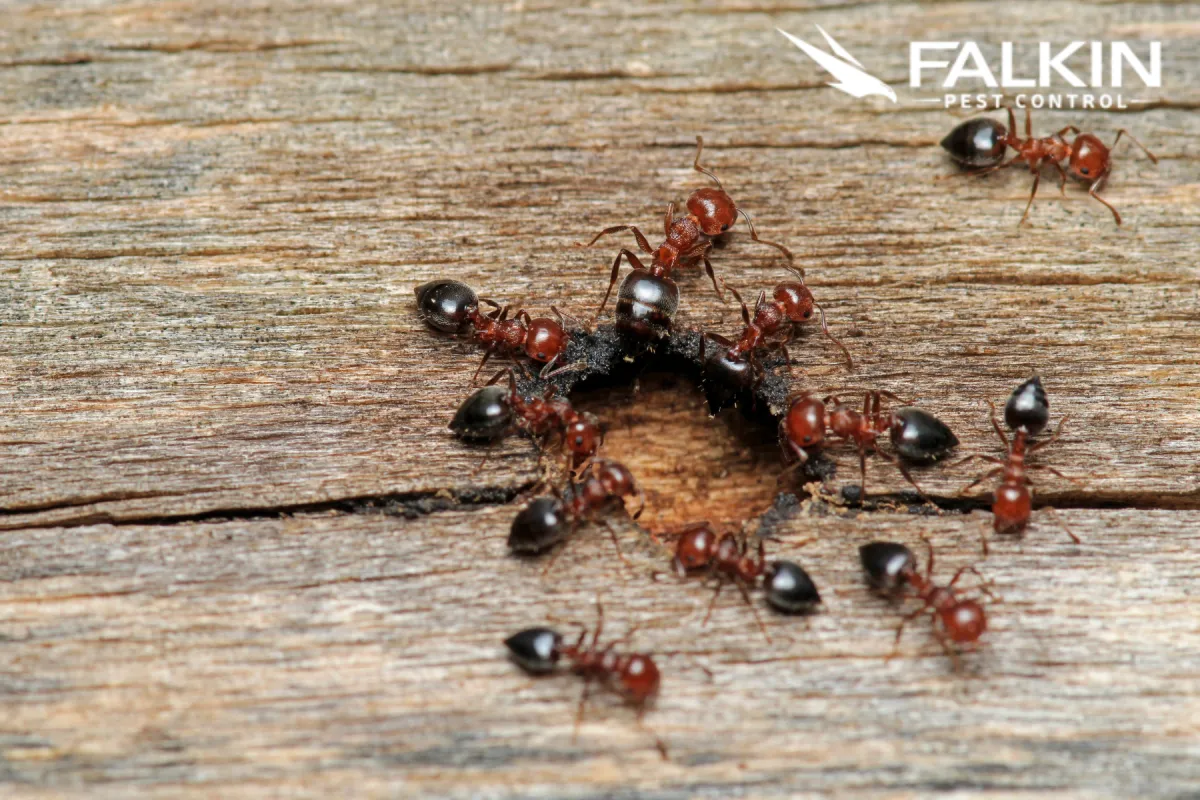
pest control
The primary difference between one-time pest control and ongoing pest protection plans lies in their scope and long-term efficacy: a one-time service targets an active

The primary difference between one-time pest control and ongoing pest protection plans lies in their scope and long-term efficacy: a one-time service targets an active
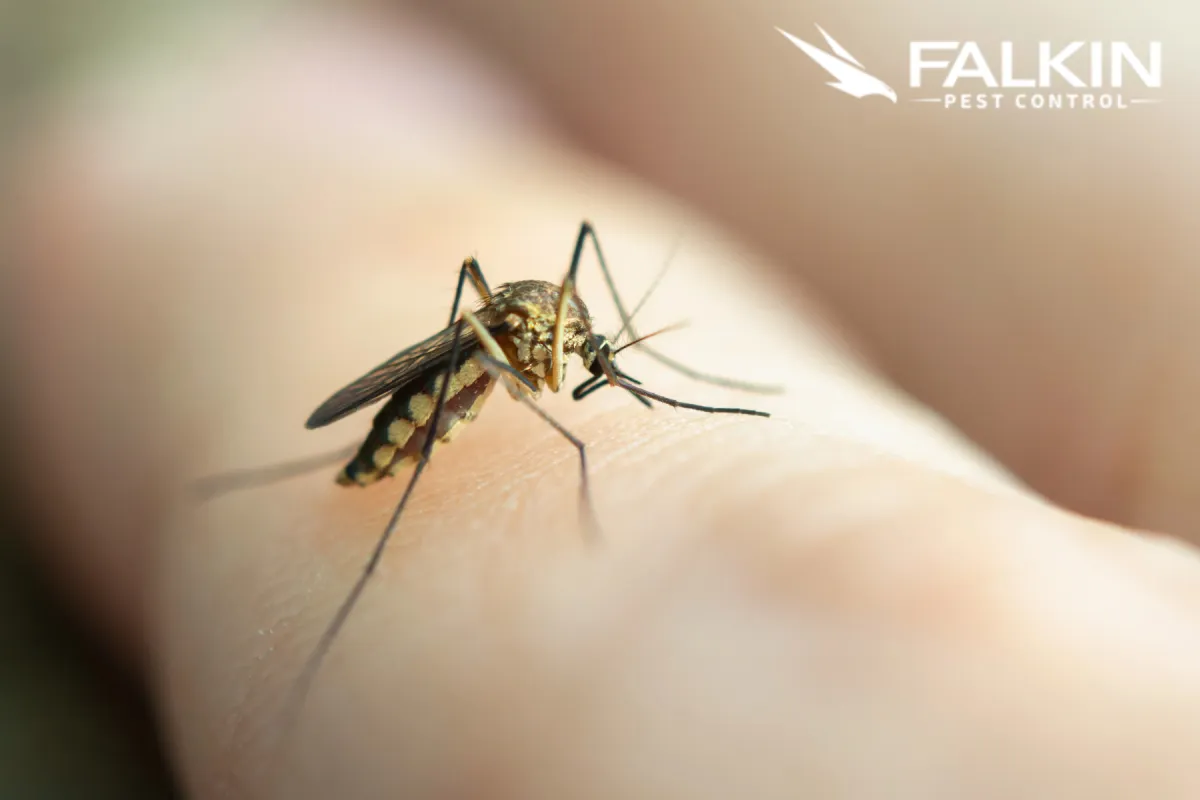
For most residential properties, scheduling professional pest control on a quarterly (every 3 months) basis provides optimal protection against recurring infestations. Regular quarterly visits maintain
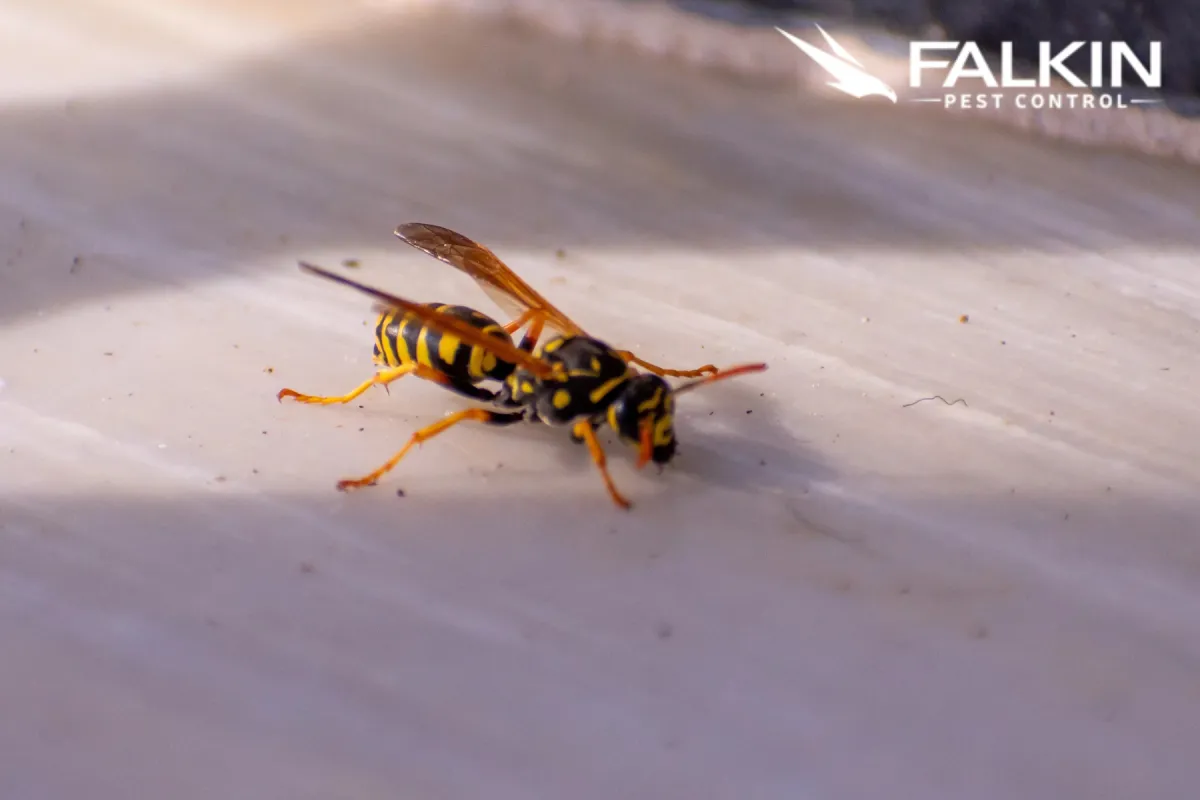
Professional pest control works through a structured three-step process: a detailed property inspection to identify pest species and entry points, targeted treatments to eliminate active
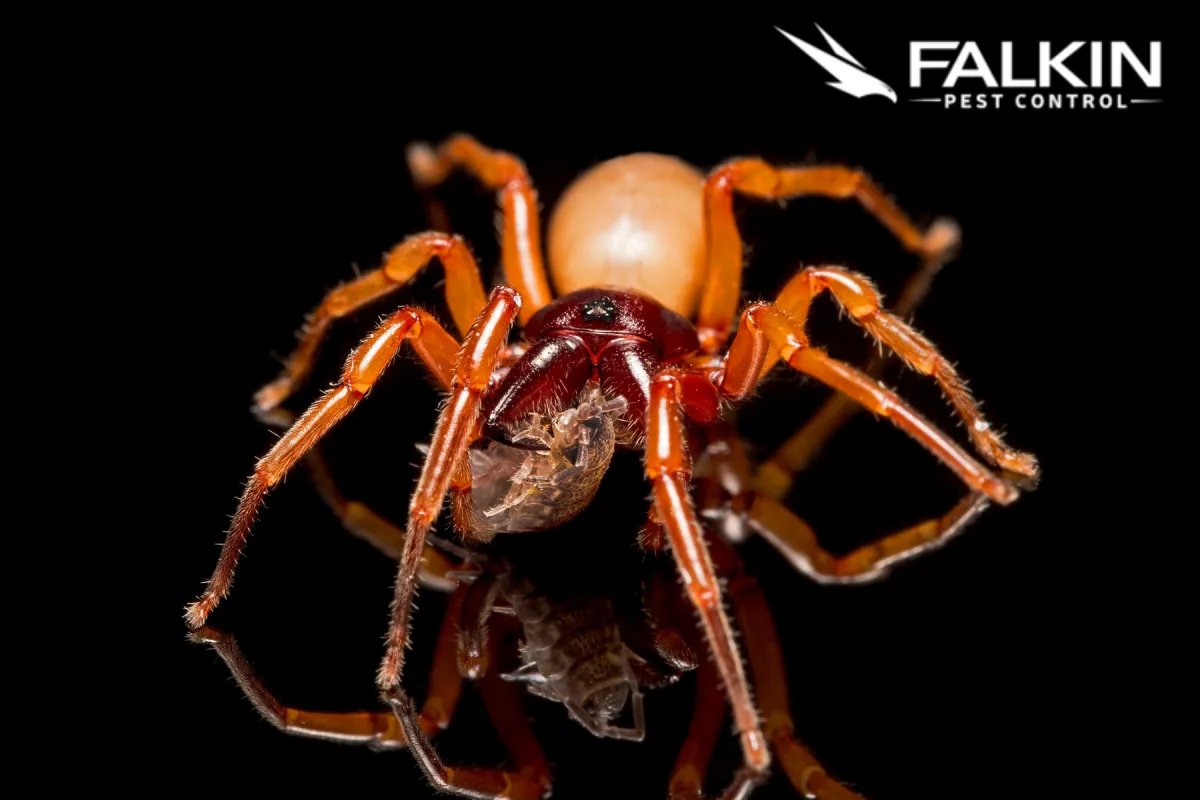
Professional woodlouse hunter spider control gets rid of spiders in damp areas by combining foundation moisture management, prey elimination, micro-encapsulated perimeter barriers, and structural exclusion.
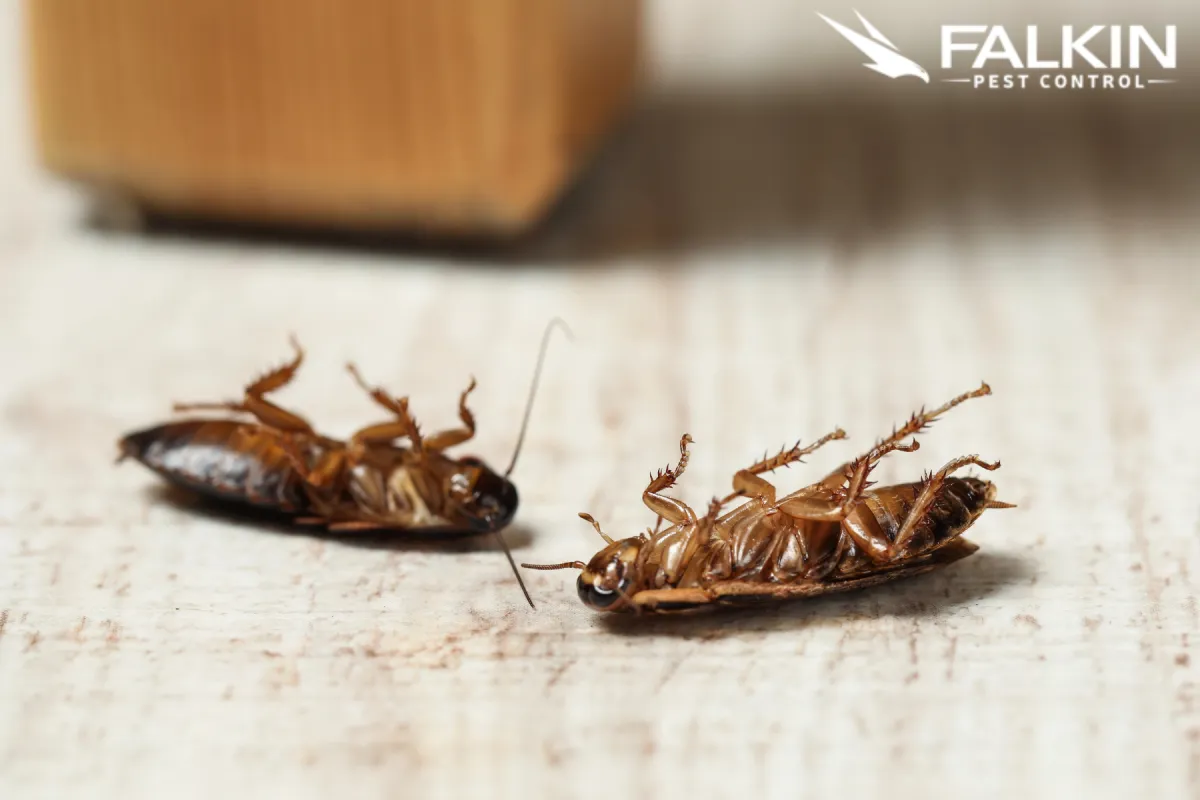
Professional pest control reduces the risk of recurring pest problems by shifting from reactive surface spraying to proactive, multi-layered Integrated Pest Management (IPM). Experienced technicians
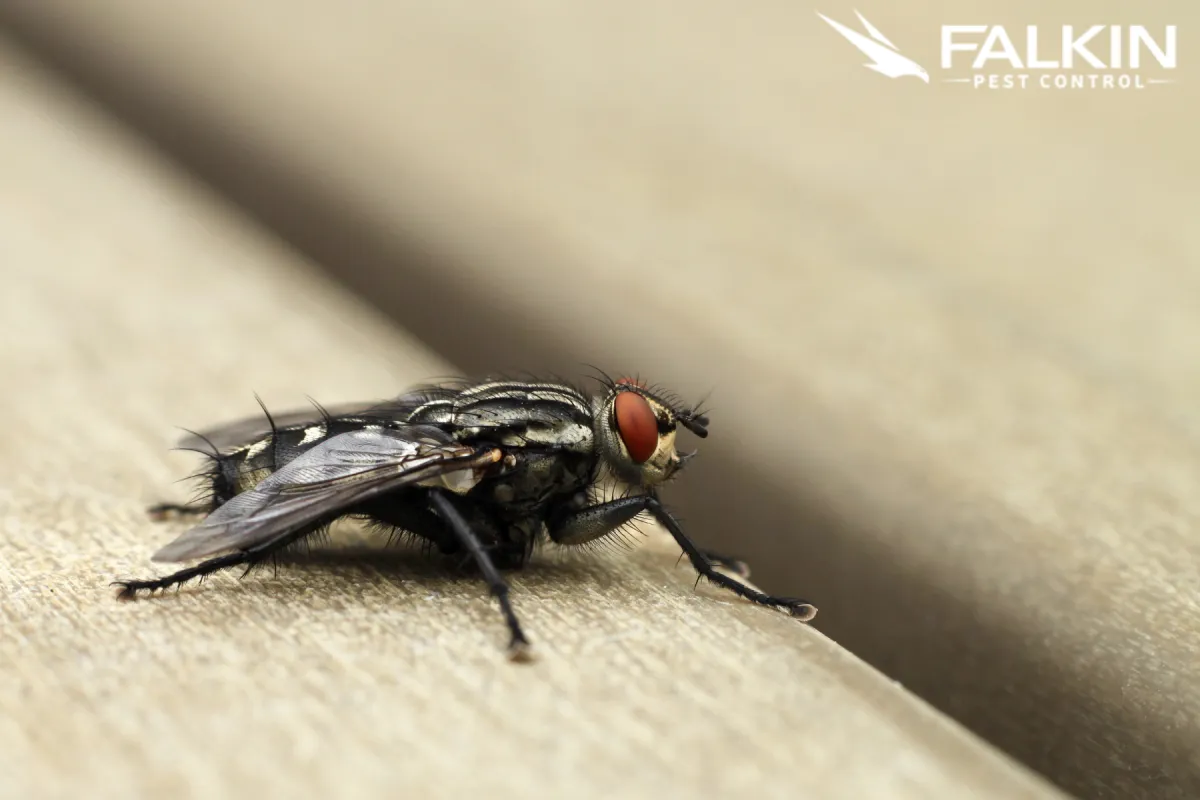
House flies keep coming back into your home because they are constantly drawn to hidden indoor breeding grounds like decaying food scraps, dirty trash cans,

Droppings in the pantry, a scratching sound in the attic at night, a gnawed corner on a cardboard box, it’s rodent activity, but is it
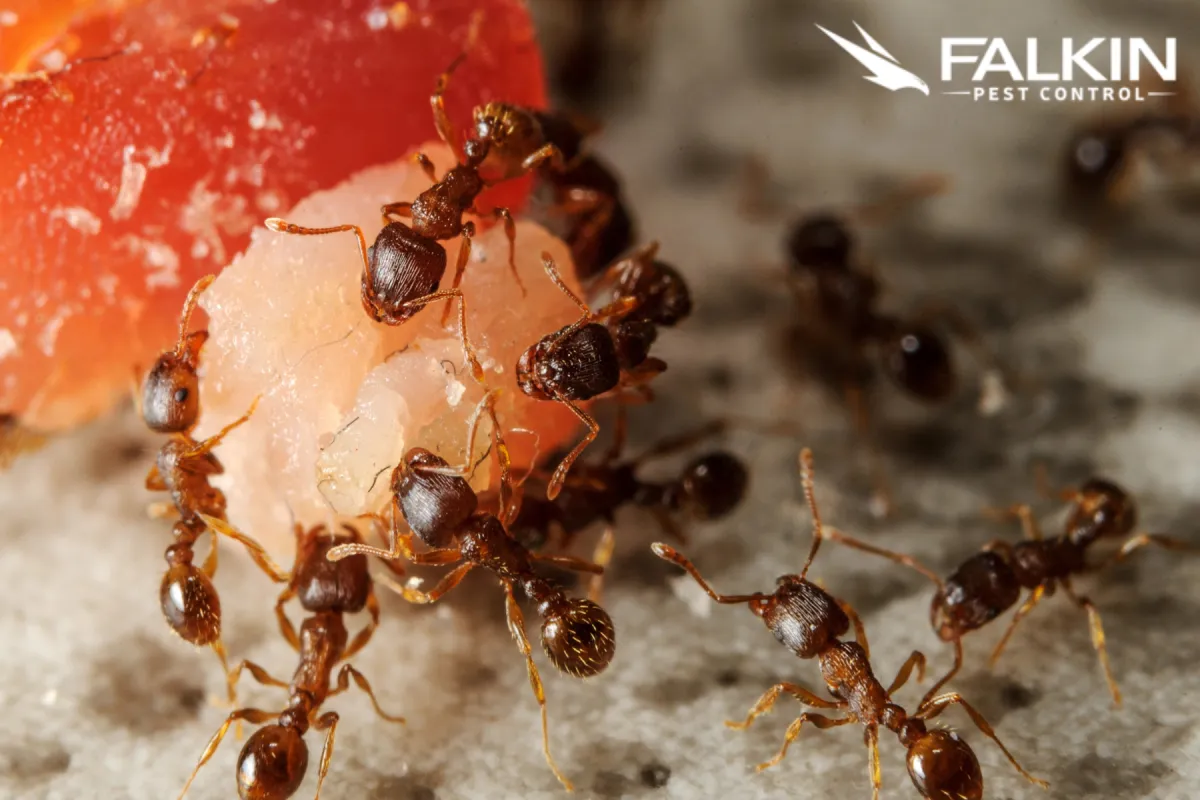
If you’ve already tried the vinegar spray, the cinnamon on the windowsill, and the little bait traps from the hardware store and you’re still seeing

Some pest infestations require multiple pest control visits because protective egg casings shield unhatched larvae from initial treatments, deep structural harborages limit immediate product reach,
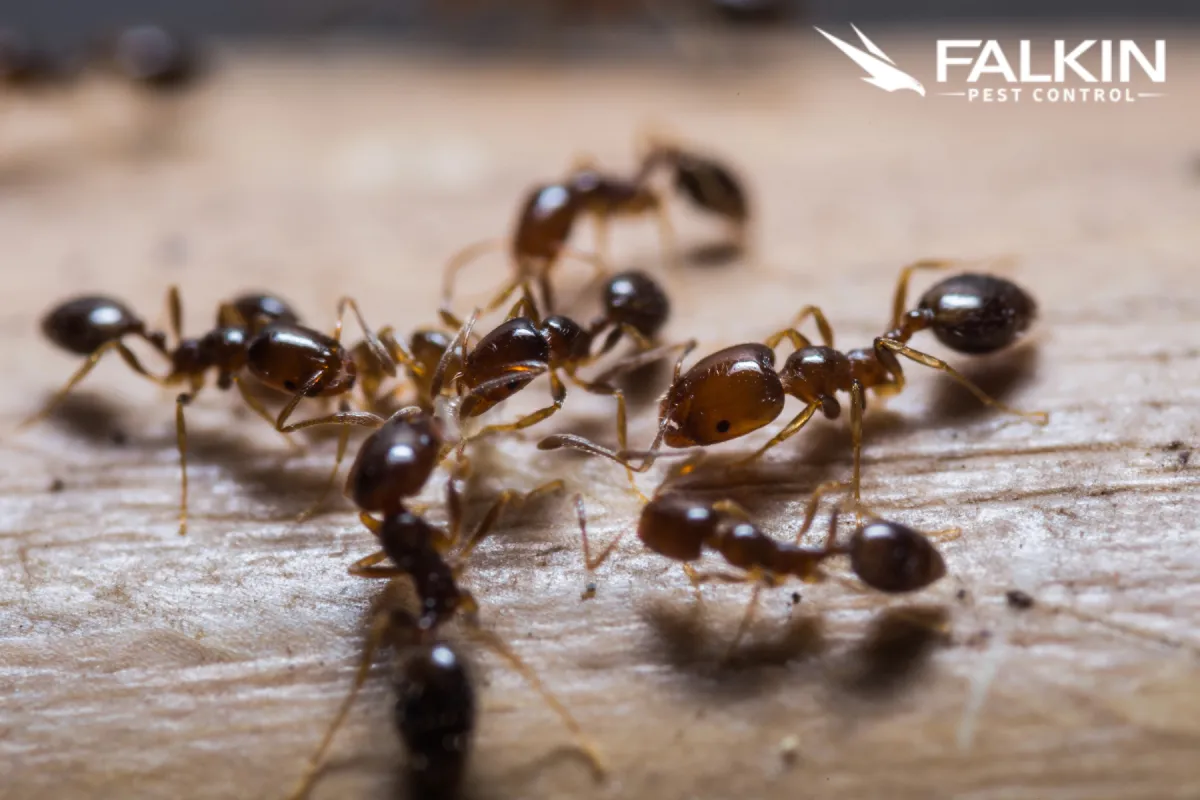
Before a professional pest control treatment, homeowners should clear countertops, pull furniture away from walls, and secure pets. After treatment, avoid wiping down perimeter barriers