When the sun goes down and the world quiets, another world awakens, one filled with the scurrying, fluttering, and chirping of nocturnal pests. For many homeowners, nighttime is when mysterious scratching in the walls, buzzing near the porch light, or sudden bites become an unwelcome reality. But why do certain pests prefer the cover of darkness? Understanding their behavior can help you protect your home and enjoy peaceful nights.
The Science Behind Nocturnal Pest Activity
Many pests are nocturnal because nighttime offers the perfect balance of safety and opportunity. Darkness hides them from predators, and cooler temperatures prevent them from overheating. Additionally, some pests have evolved to see better in low light, giving them a distinct advantage when foraging for food or searching for shelter.
Certain species are also driven by light and heat patterns. For example, insects attracted to artificial lights like moths and beetles may not be truly nocturnal but appear in greater numbers at night because of these artificial cues.
Common Nighttime Pests You Might Encounter
Rodents
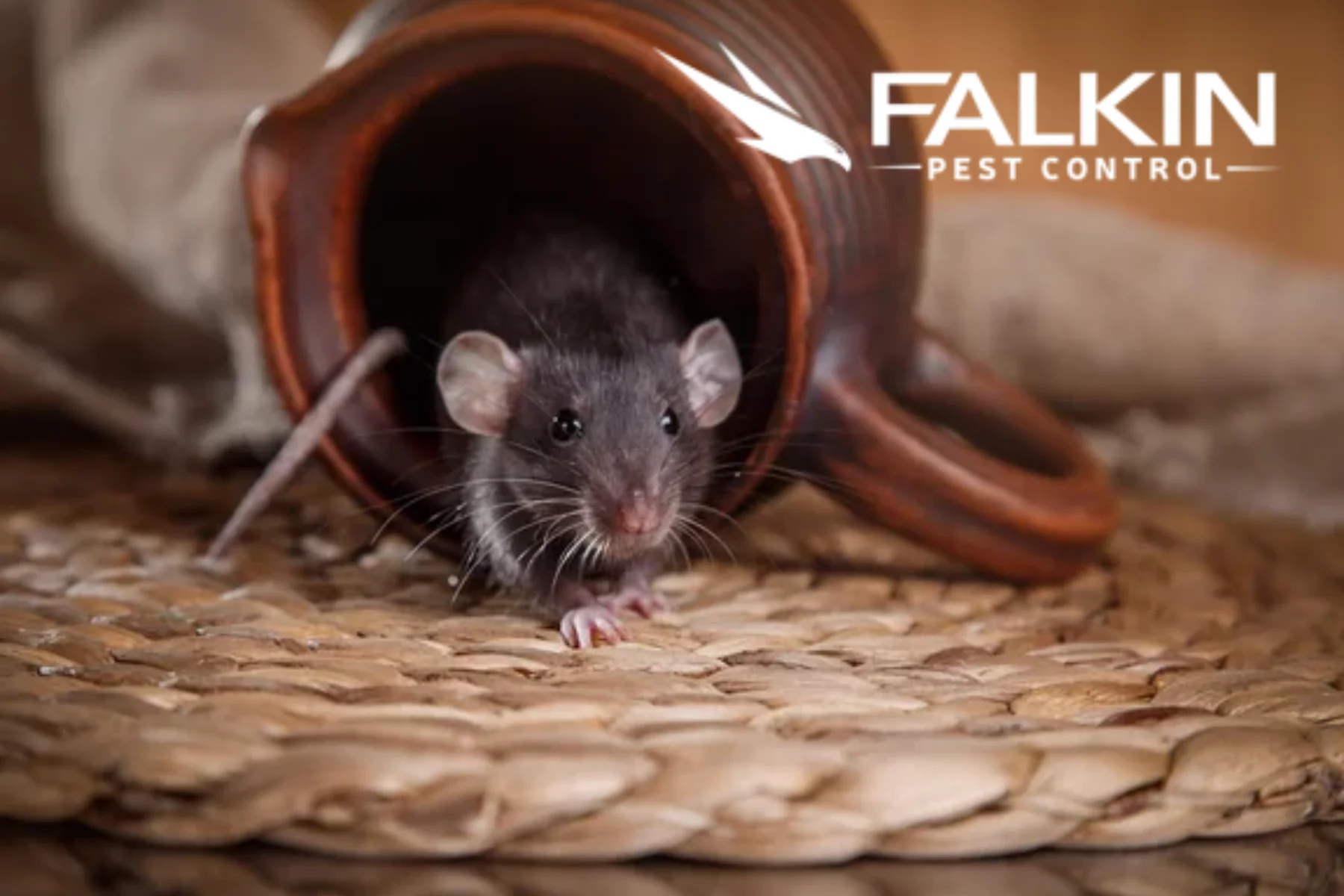
Mice and rats are classic nighttime pests. They emerge under the cover of darkness to search for crumbs, pet food, or unsecured pantry items. Their whiskers and strong sense of smell allow them to navigate in the dark with ease. While they may remain unseen, telltale signs such as droppings or gnaw marks often reveal their presence.
Cockroaches
Cockroaches thrive in dark, damp spaces, making nighttime their prime activity period. When the lights are off, they venture out from under appliances, behind walls, and inside cabinets to find food and water. Their rapid breeding cycle means a small nighttime population can grow into a major infestation quickly.
Spiders
Although not all spiders are nocturnal, many hunting species are more active after dark. This is when they spin or repair their webs and wait for prey to fly into their traps. You might spot them near outdoor lighting where insects gather.
Mosquitoes
Certain mosquito species prefer nighttime feeding. They are drawn to carbon dioxide, body heat, and scent, making sleeping humans easy targets. Standing water in yards or gutters can attract them to your property.
Moths and Beetles
These insects are phototactic, attracted to light sources. Porch lights and windows can become gathering spots for them during the night. While most moths are harmless, their larvae can damage fabrics and stored grains.
Why Nighttime Pest Sightings Shouldn’t Be Ignored
Seeing pests at night isn’t a sign that your home is safe during the day; it’s often a warning that an infestation is well underway. Nocturnal pests spend daylight hours hiding in walls, attics, basements, and crawl spaces. If they’re venturing into visible areas, it likely means they’ve found a reliable food or water source.
Ignoring nighttime pest activity can lead to structural damage, food contamination, and health risks. Rodents, for instance, can chew electrical wiring, creating fire hazards. Cockroaches can spread bacteria, while mosquitoes can transmit diseases.
Preventing Nighttime Pest Problems
Limit Food and Water Sources
Pests are often drawn to easily accessible food. Store dry goods in sealed containers, clean crumbs from floors and counters, and avoid leaving pet food out overnight. Fix leaky faucets or pipes to reduce moisture, which attracts pests like cockroaches and rodents.
Seal Entry Points
Small cracks, gaps around doors, and openings near utility lines are prime access points for nocturnal pests. Inspect your home’s exterior and use caulk, weatherstripping, or mesh screens to block these entrances.
Reduce Outdoor Lighting
While you may not want to eliminate lighting completely, consider using yellow or sodium vapor bulbs that are less attractive to insects. Position lights away from doors and windows to keep bugs from gathering near entry points.
Maintain Outdoor Areas
Trim back shrubs, remove yard debris, and keep grass cut short to reduce hiding spots. Check for standing water in gutters, birdbaths, and planters to prevent mosquito breeding.
Professional Pest Management
If nighttime pest activity becomes frequent or severe, professional intervention may be necessary. Experts can identify pest species, locate nesting sites, and apply targeted treatments to resolve the issue and prevent future infestations. Whether you’re searching for residential pest control near me or location-specific solutions, an experienced provider can tailor their approach to your needs.
Why Longmont Residents See Nighttime Pest Surges
The climate and environment in Longmont provide the perfect backdrop for nocturnal pest activity. Seasonal temperature changes influence rodent and insect behavior, pushing them indoors when conditions outside become less favorable. Local vegetation, water sources, and residential developments also contribute to pest populations.
If you live in the area, securing your home against pests isn’t just about comfort; it’s about health and safety. From rodents sneaking into garages to mosquitoes breeding near irrigation ditches, Longmont residents often benefit from localized pest prevention strategies. Seeking help from a trusted pest control Longmont provider can make all the difference.
Integrated Pest Management for Nighttime Pests
Modern pest control emphasizes Integrated Pest Management (IPM), which focuses on prevention, monitoring, and environmentally responsible treatments. This approach minimizes the need for repeated interventions and targets the root cause of infestations.
For example, if cockroaches are active in your kitchen at night, an IPM plan might include sealing entry points, removing attractants, and applying treatment in hidden nesting areas. Rodent issues may require a combination of exclusion techniques, trapping, and ongoing monitoring.
Longmont homeowners seeking consistent protection can benefit from residential pest control Longmont services tailored to the area’s unique pest challenges.

The Importance of Year-Round Pest Vigilance
Even though some pests are more noticeable at night, their presence isn’t limited to certain hours or seasons. An infestation that begins with a few nocturnal sightings can escalate quickly if left unaddressed. Maintaining year-round pest prevention through seasonal inspections, proper sanitation, and professional guidance helps keep your home secure.
Whether you need Longmont pest control for ongoing protection or specific treatments, the key is to act promptly when you notice signs of pests. The sooner a problem is addressed, the easier it is to resolve.
About Falkin Pest Control
Falkin Pest Control is a trusted provider of professional pest management services, proudly serving Longmont, Boulder County, and the surrounding areas. We specialize in comprehensive solutions for both residential and commercial properties, including insect, rodent, and wildlife management. Our team uses proven methods and environmentally responsible practices to ensure effective results while prioritizing the safety of your family and pets. Whether you’re looking for pest control Longmont CO or pest control Brighton CO, Falkin Pest Control offers customized programs to keep your property pest-free year-round.