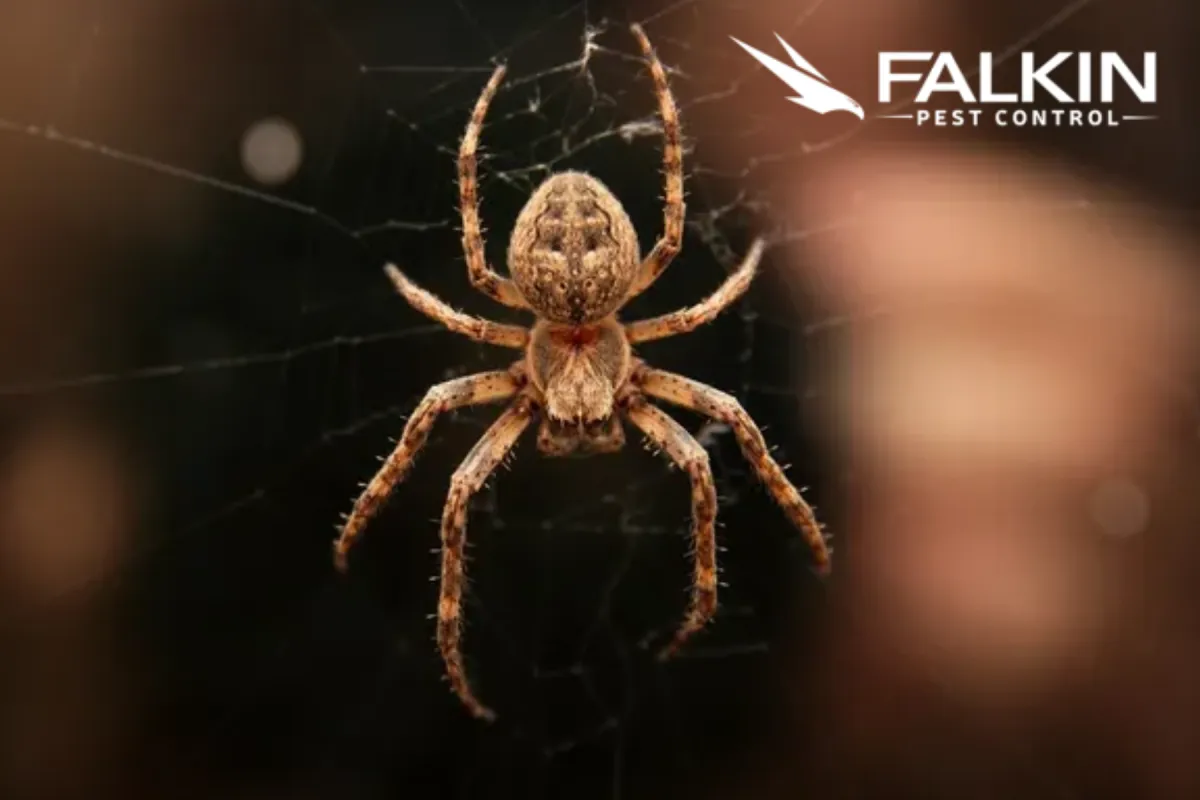
A sudden increase in spider activity is often a secondary symptom of excessive moisture or high humidity within your home’s structure. Spiders congregate in damp areas because moisture attracts prey insects, such as silverfish, crickets, and gnats, which serve as their primary food source. By identifying a spider surge early, you can often find and fix hidden plumbing leaks or drainage issues before they cause structural damage.
The Spider-Moisture Connection: A Predator’s Roadmap
Spiders are biological indicators. If you see a high concentration of webs in a specific corner of your basement or crawl space, it is rarely a random choice. These predators set up shop where the “hunting” is best. Damp environments are breeding grounds for smaller, soft-bodied insects that spiders crave, making your humid corners a high-traffic cafeteria.
When providing pest control in Federal Heights, CO, we often find that homeowners are surprised to learn their spider problem is actually a water problem. Spiders have high metabolic needs, and they naturally migrate to the most humid parts of your home where their prey is thriving.
Comparison: Common Spiders vs. Their Moisture-Loving Prey
| Spider Type | Preferred Environment | Primary Moisture-Attracted Prey |
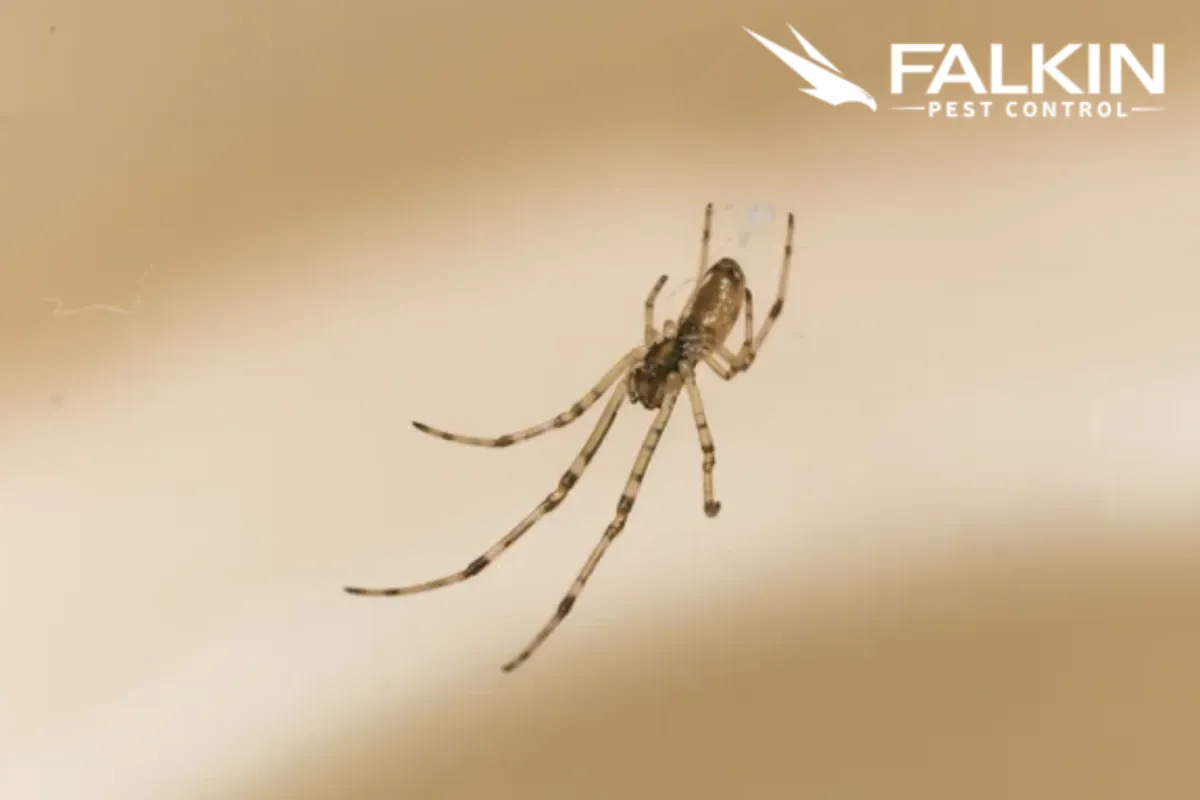
| Cellar Spiders | High-humidity basements | Fungus gnats, drain flies |
| Common House Spiders | Damp corners, crawl spaces | Springtails, silverfish |
| Wolf Spiders | Ground level, near leaks | Crickets, sowbugs |
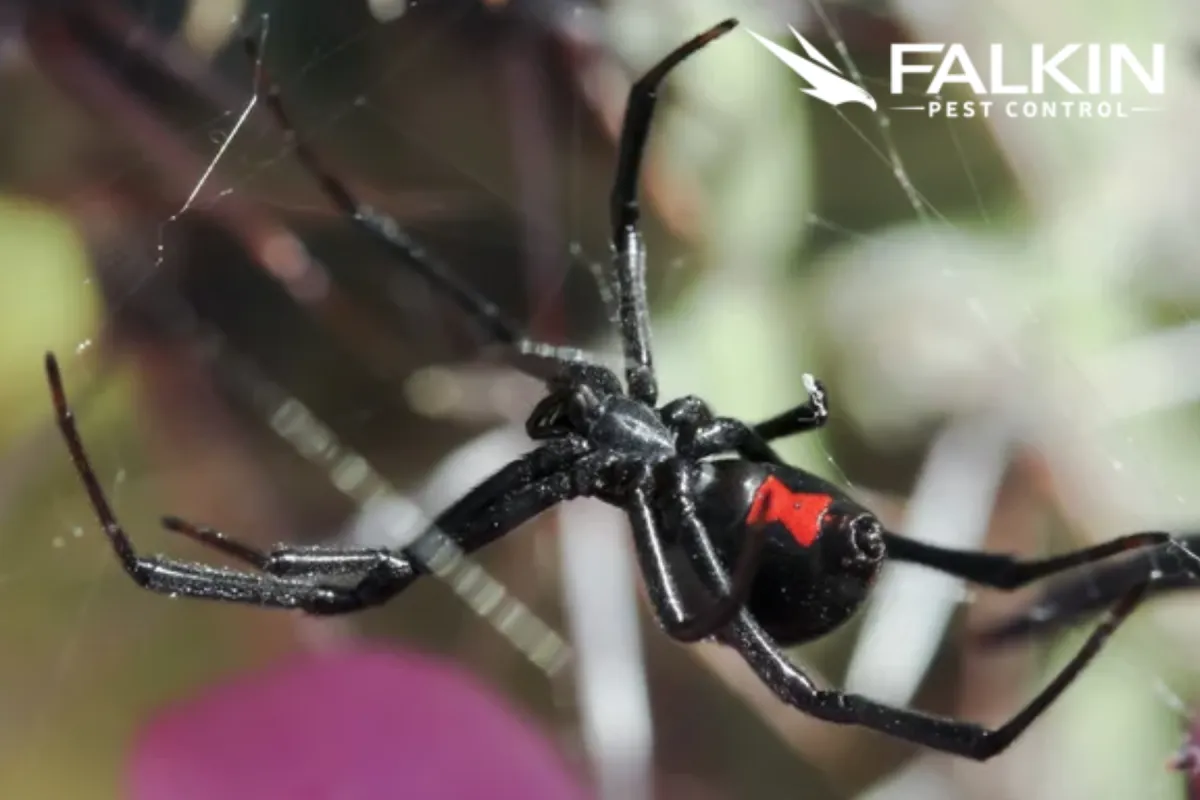
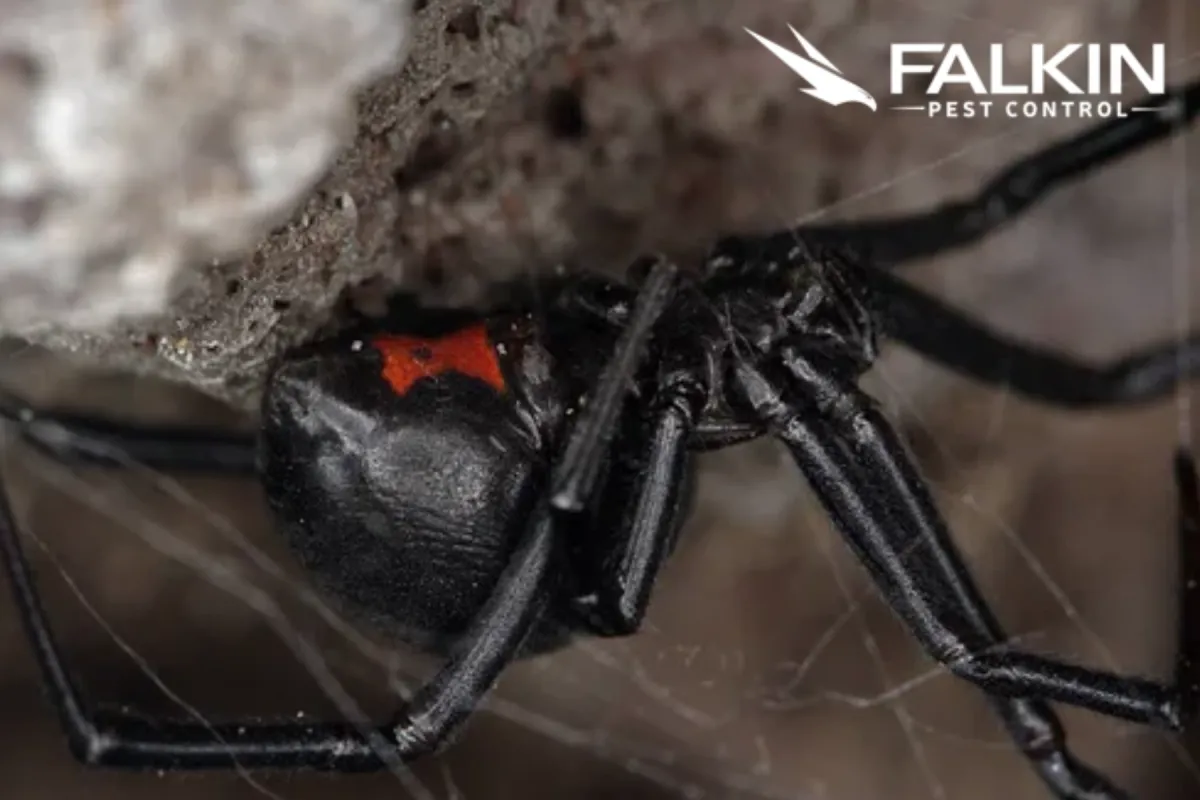
| Black Widow Spider | Dark, undisturbed, damp areas | Cockroaches, beetles |
During a recent inspection for a family in [Federal Heights], we noticed an unusual amount of webbing near a finished basement wall. Our team didn’t just spray the webs; we investigated further and found a slow-leaking pipe behind the drywall that was attracting a steady stream of silverfish.
4 Ways Moisture Creates a “Spider Buffet”
If your home is retaining moisture, you are essentially laying out a welcome mat for predators. Here is how water transforms your living space into a hunting ground:
- Fungal Growth: Damp wood and drywall grow microscopic fungi. This attracts “fungus beetles” and gnats, which are a staple in the diet of many smaller spiders.
- Softening Wood: Moisture-damaged wood makes it easier for ants and termites to enter. These larger insect colonies provide a constant stream of protein for wandering spiders.
- Direct Hydration: While many spiders get water from their food, some active hunters will seek out condensation droplets on pipes to stay hydrated.
- Egg Survival: High humidity prevents spider egg sacs from drying out. This leads to higher hatch rates and localized “population explosions” within your walls.
If you are dealing with a dangerous species like the black widow spider, these moisture-heavy areas become even more concerning. These spiders prefer dark, damp, and undisturbed locations where they can wait for moisture-loving roaches to stumble into their webs.
Debunking the “Spiders Come for the Water” Myth
A common misconception is that spiders are “thirsty” and enter your bathroom specifically to find a drink of water from your tub or sink. Many people assume they are coming inside to escape the heat and find a beverage.
The Reality: Most household spiders are remarkably drought-tolerant. They don’t migrate into your home to find a drink; they move in because your home’s micro-climate, caused by a leaky pipe or poor ventilation, has created a thriving ecosystem for the bugs they eat. Killing the spiders without fixing the moisture issue is like clearing a spiderweb while leaving the porch light on; the food source will just bring more predators back.
Working as a Federal Heights exterminator, we see this cycle constantly. Homeowners use a retail spray on the spiders they see, but because the moisture is still attracting gnats and flies, new spiders move in within days to take over the vacant territory.
Our Multi-Step Elimination Strategy
At Falkin Pest Control, we believe in being a trustworthy and responsive partner for our customers. We don’t just treat the symptoms; we find the source. With over 15 years of experience, we have developed a deep understanding of how the environment in the North Denver area affects pest behavior.
To solve your spider issues permanently, we focus on the environmental triggers using our specialized approach:
- Identify the Moisture Source: We look for the “why” behind the webs. Whether it’s a grading issue outside or a ventilation problem in the attic, we find it.
- Seal Any Cracks or Crevices: Once the environment is managed, we physically seal any cracks or crevices around your foundation and windows. This stops the prey from getting in, which eventually starves the spiders out.
- 100% Satisfaction Guarantee: We want you to feel reassured and confident in your home’s safety. Our 100% satisfaction guarantee means if the spiders return because the source wasn’t fully addressed, we come back at no extra cost to you.
- Personalized Service: No two homes are the same. We offer Federal Heights pest control that is tailored to the specific humidity levels and structural needs of your property.
Technical Specifications of a Moisture-Pest Inspection
Relative Humidity (RH)
The amount of water vapor in the air. Levels above 60% are considered “pest-heavy” environments, encouraging mold and insect breeding.
Vapor Barrier
A thick plastic sheet is installed in crawl spaces to prevent ground moisture from rising into your home’s wooden framing.
Point-of-Entry (POE)
Small gaps, often caused by wood rot or shifting foundations, where spiders and insects physically enter the home.
People Also Ask
Why am I seeing more spiders after a rainstorm?
Rain often floods the outdoor homes of spiders or drives their prey inside for shelter. If your home has poor drainage, the increased humidity in your basement after a storm acts as a magnet for these pests.
Are there moisture-loving spiders in our Service Areas?
Yes. In Federal Heights and the surrounding regions, we commonly see Cellar spiders and Wolf spiders in damp basements. While mostly harmless, their presence is a clear signal to check for leaks.
Will a dehumidifier help get rid of spiders?
It is a great first step. By lowering the humidity, you make the environment less hospitable for the small insects that spiders eat. When the food disappears, the spiders will either move out or die off.
Should I be worried about black widows in damp areas?
Yes. These spiders prefer dark, moist environments like crawl spaces or cluttered basements. If you suspect you have them, it is best to call a professional exterminator rather than reaching into dark corners yourself.
Peace of Mind with Falkin Pest Control
At Falkin Pest Control, we are dedicated to creating a safer environment for our neighbors. We understand that a spider infestation can make you feel uneasy in your own home. Our team is committed to providing excellent customer service and delivering effective, efficient, and environmentally responsible solutions.
We don’t just provide pest control; we build lasting relationships with our clients based on honesty and transparency. We want to give you the peace of mind that comes with knowing your pest issues are being handled by experts who care about your family’s safety.
Take control of your home’s environment today.
If you are tired of clearing away webs only to see them return the next morning, it is time for a deeper look. Let us help you find the hidden moisture issues and provide a permanent solution to your spider problem. Contact us today.