As the vibrant colors of summer transition into the golden hues of autumn, gardeners in Texas and Colorado eagerly anticipate the fall harvest. However, this changing season also heralds the arrival of hungry pests that can wreak havoc on your carefully nurtured plants. To ensure a bountiful harvest and thriving garden, it’s essential to understand the specific pests that target gardens in these regions during the fall season and to employ effective strategies for protection. We’ll delve into the world of garden pests, providing insights into their behavior, as well as organic and integrated pest management techniques to safeguard your precious plants. For stubborn infestations, a trusted exterminator can provide the expertise needed to protect your garden.
Common Pests Found in Texas and Colorado
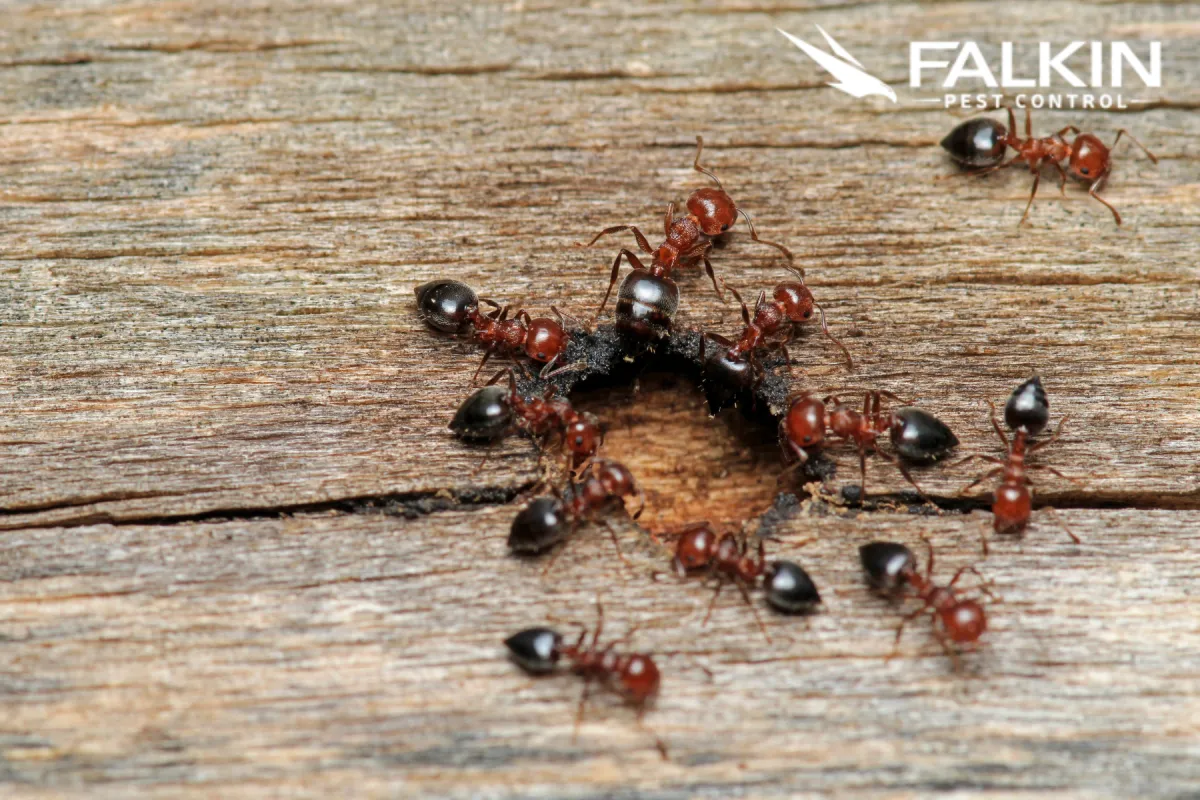
- Aphids: These small insects, often referred to as “plant lice,” can multiply rapidly and extract sap from plants, causing stunted growth and transmitting plant diseases. Aphids usually remain on the undersides of leaves. They secrete a sugary substance known as honeydew, which can attract ants and promote the growth of sooty mold. Ants, in turn, protect aphids from natural predators, making their control more challenging.
- Whiteflies: Often found on the undersides of leaves, whiteflies feed on plant sap and can lead to yellowing and wilting of foliage. They can quickly infest new plants and are often hard to spot until their populations become noticeable.
- Cabbage Loopers: These caterpillars are known for their voracious appetite and chew irregular holes in leaves, especially on plants like cabbage, broccoli, and kale. They have a characteristic looping movement, hence their name. They are voracious feeders and can cause significant damage to plant foliage, affecting growth and yield.
- Flea Beetles: These tiny beetles create small holes in plant leaves, giving them a stippled appearance. Flea beetles are agile jumpers, using their strong legs to move quickly between plants. They tend to be most active during warm weather, causing rapid damage by creating numerous small holes in leaves.
Organic and Integrated Pest Management Techniques
The good news is that you don’t need to resort to harsh chemicals to protect your garden from these hungry pests. Organic and integrated pest management (IPM) techniques offer effective and environmentally friendly solutions. For safe, reliable results, trust Golden pest control to keep your garden protected.
- Companion Planting: Certain plants naturally repel pests. For example, planting marigolds among your vegetables can deter aphids and nematodes. Similarly, nasturtiums can deter whiteflies.
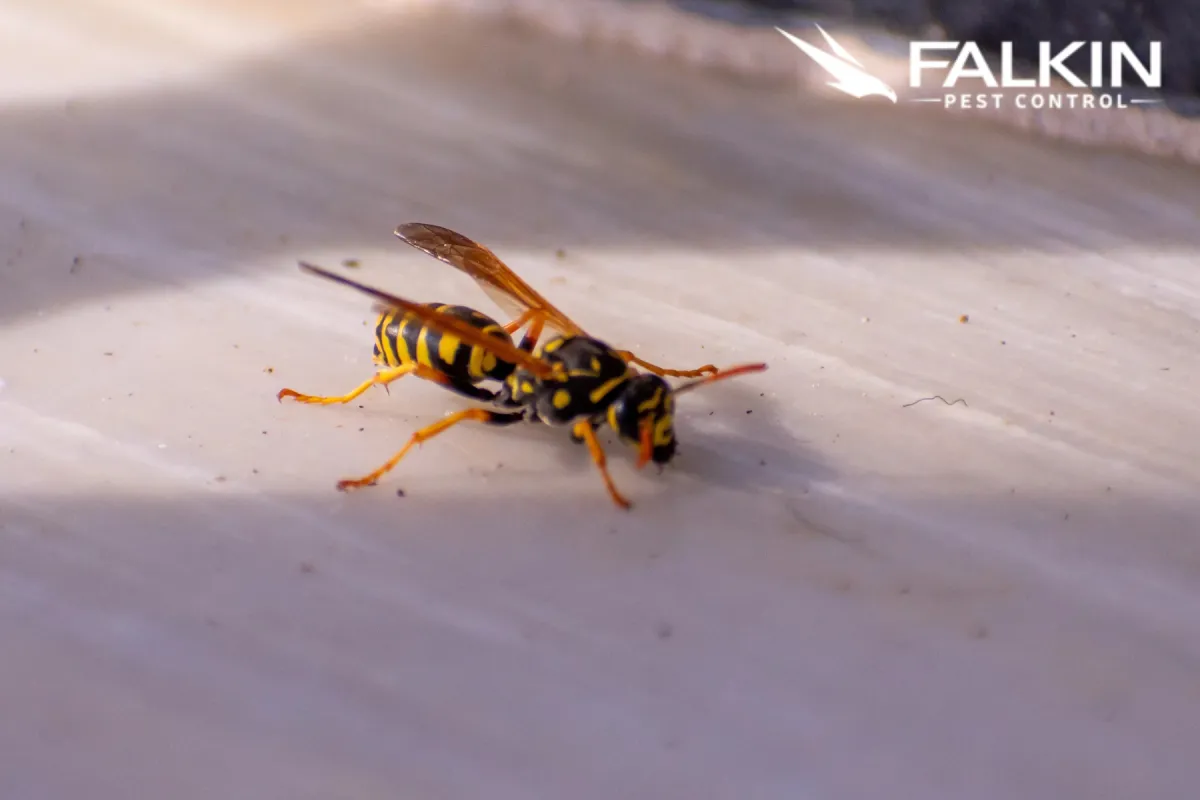
- Attract Beneficial Insects: Encourage the presence of natural predators such as ladybugs, lacewings, and parasitic wasps. These insects feed on common garden pests, helping to keep their populations in check.
- Row Covers: Use lightweight row covers to physically protect plants from pests like aphids and caterpillars. These covers allow sunlight and water to reach the plants while creating a barrier against pests.
- Neem Oil: Neem oil is a natural insecticide that disrupts the life cycle of many garden pests. It can be sprayed on plants to deter and control a wide range of insects.
- Handpicking: For smaller infestations, consider handpicking pests off your plants. This method is particularly effective for larger pests like caterpillars and beetles.
- Beneficial Nematodes: These microscopic organisms can be introduced into the soil to target and control soil-dwelling pests like cabbage root maggots.
- Crop Rotation: Rotate your crops each season to disrupt the life cycles of pests that are specific to certain plants. This can help reduce the build-up of pest populations.
- Regular Monitoring: Regularly inspect your plants for signs of pest infestations. Early detection allows you to take action before the problem escalates. If pests continue spreading despite your efforts, a Golden exterminator can help identify the issue and recommend the right treatment.
- Trap Crops: Plant trap crops that pests prefer over your main crops. This diverts pests away from your valuable plants and towards the trap crops.
- Homemade Remedies: Explore homemade pest control options like garlic, soap, or hot pepper spray to deter pests.
By understanding the pests that target gardens in Texas and Colorado during the fall season and adopting organic and integrated pest management techniques, you can ensure your plants thrive and yield a plentiful harvest. The changing seasons may bring pests, but with knowledge and determination, you can cultivate a garden that flourishes despite their presence. Embrace the beauty of autumn while safeguarding the fruits of your labor from the voracious appetites of garden pests. For extra protection, trust pest control in Golden, CO to keep your garden healthy year-round.
Why Yard Cleanup Is Important
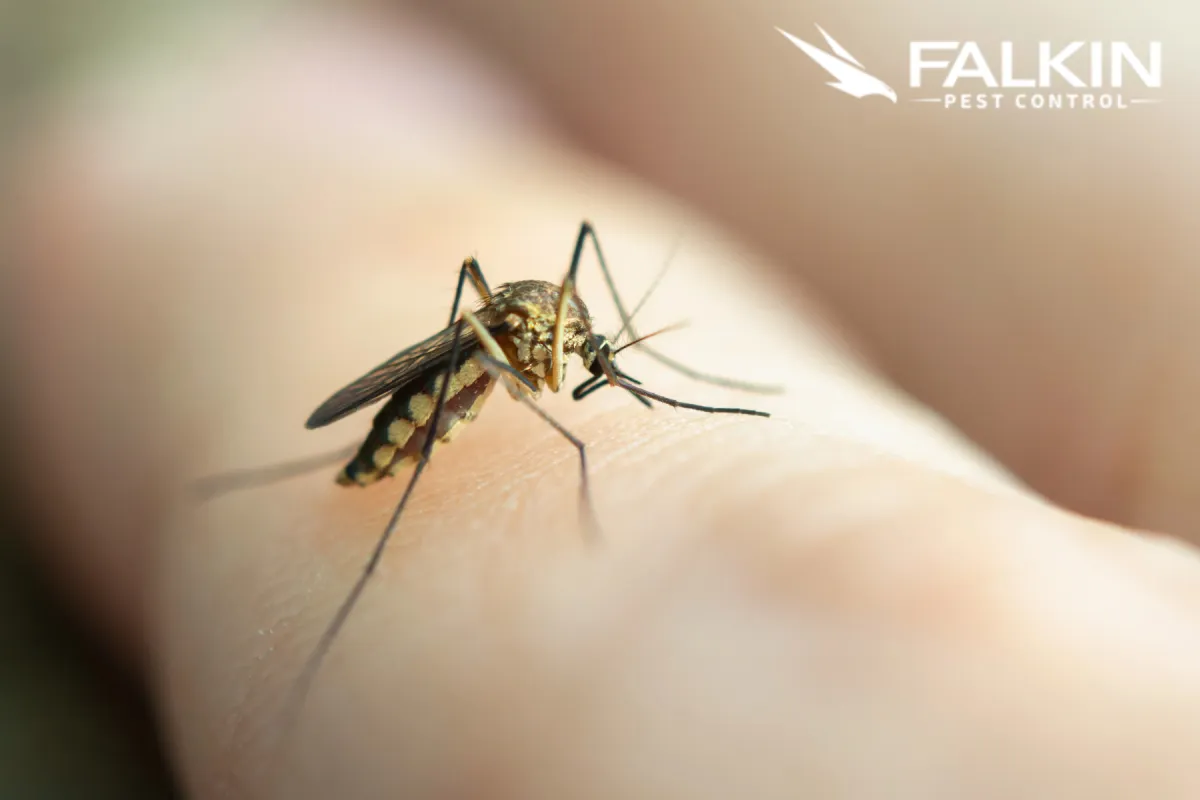
Fallen leaves, though picturesque, create an inviting environment for pests such as rodents and insects. These leaf piles offer a cozy hideout and a potential food source for these unwelcome guests. Rodents, including mice and rats, are notorious for seeking shelter in warm, concealed spaces, and leaf piles provide the perfect haven. Insects like mosquitoes, ants, and ticks are also drawn to the moisture-rich environment that accumulates beneath damp leaves.
Failing to address leaf buildup can lead to infestations that extend beyond the yard and into your home. Remember, the more pests in your yard, the more likely they are to make their way inside, causing a host of other problems. It is best to keep your yard as clean as possible, ensuring there are no unwelcome surprises beneath the leaves. For lasting protection, an exterminator can help keep pests under control.
Frequently Asked Questions
What pests commonly affect fall gardens in Texas and Colorado?
Common fall garden pests include aphids, whiteflies, cabbage loopers, and flea beetles. These pests can damage leaves, weaken plants, and reduce crop yields.
How can I protect my garden from pests naturally?
Use organic and IPM methods such as companion planting, row covers, handpicking, neem oil, crop rotation, and attracting beneficial insects like ladybugs and lacewings.
Why is fall yard cleanup important for pest control?
Removing fallen leaves and yard debris helps eliminate hiding places for rodents and insects. Keeping your yard clean can reduce the risk of pests moving from your outdoor space into your home.
About Falkin Pest Control
Falkin Pest Control is a trusted pest control company serving homeowners and businesses throughout the North Denver area, including Boulder, Longmont, Denver, and nearby communities. With a professional, reliable, and community-focused approach, our team provides personalized pest control solutions designed to protect your property and give you peace of mind. From general and rodent pest control to bed bug and mosquito services, we use effective, environmentally responsible methods tailored to each customer’s needs.
Don’t let garden pests, rodents, mosquitoes, or other unwanted invaders take over your home or outdoor space. Contact us today to schedule an inspection and get a customized plan that helps protect your property with confidence.
Learn more here:
From Pantry to Patio: Keeping Pests Out of Every Corner of Your Home
Fall Garden Defense: Protecting Your Texas and Colorado Plants from Hungry Pests