Pests can invade your living space in many ways, and they don’t all operate under the same rules. While some prefer to stay outside and feed on gardens or hide in soil, others thrive indoors where food, warmth, and shelter are readily available. Understanding the difference between indoor and outdoor pests is key to protecting your home from unwanted intruders.
How Indoor and Outdoor Pests Differ
The main distinction between indoor and outdoor pests is their habitat preference. Indoor pests have adapted to living in human environments year-round, while outdoor pests typically stay in nature but may venture inside when conditions change. Both types can cause damage and spread disease, but they require different management approaches.
Indoor Pests
Indoor pests spend most of their life cycle inside homes, apartments, or commercial buildings. They take advantage of consistent temperatures, easy access to food, and protection from predators.
Common Indoor Pests:
- Cockroaches: Thrive in warm, humid areas and feed on almost any organic material.
- Ants: Some species establish colonies inside walls and feed on pantry items.
- Bed Bugs: Hide in mattresses, furniture, and cracks, emerging at night to feed.
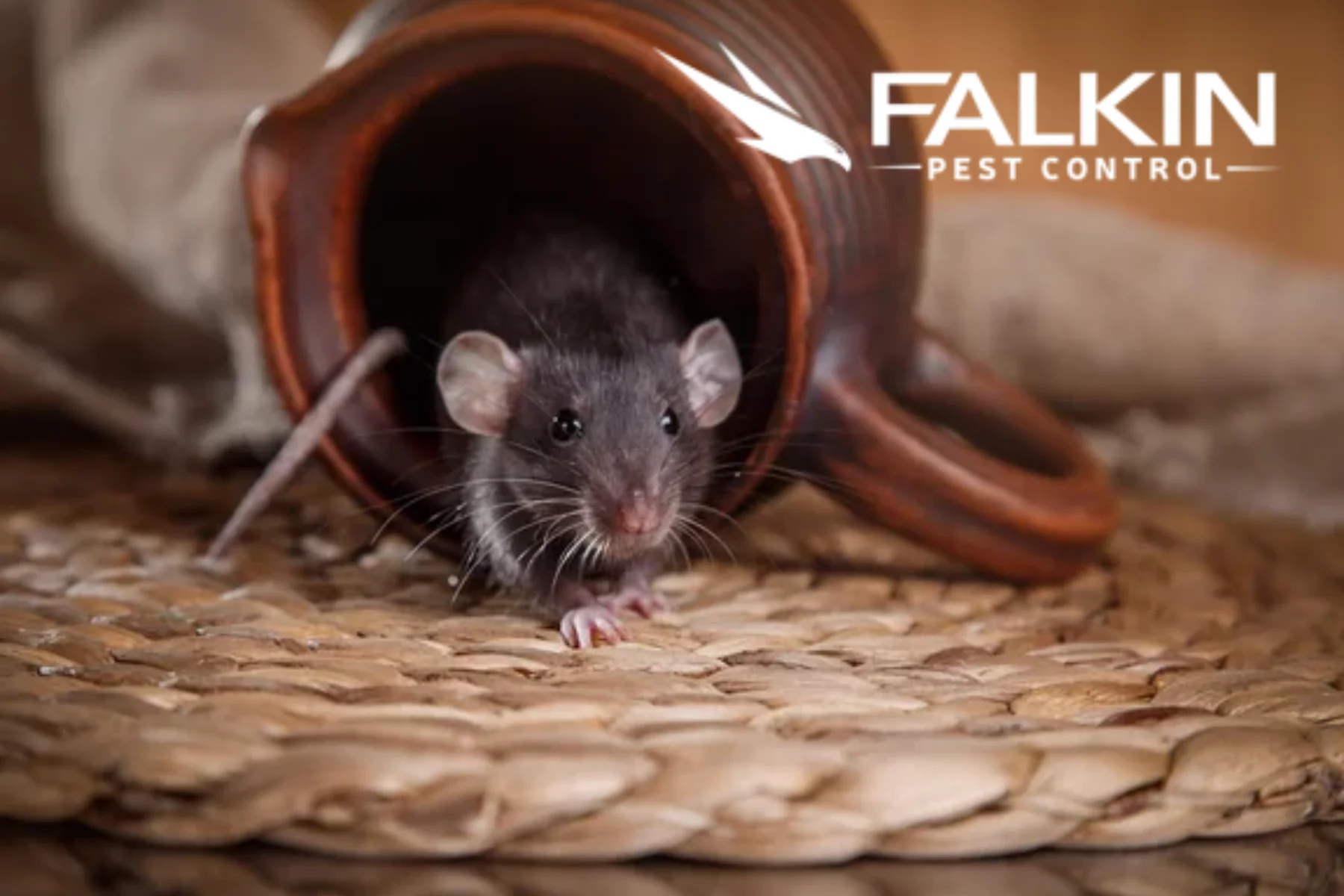
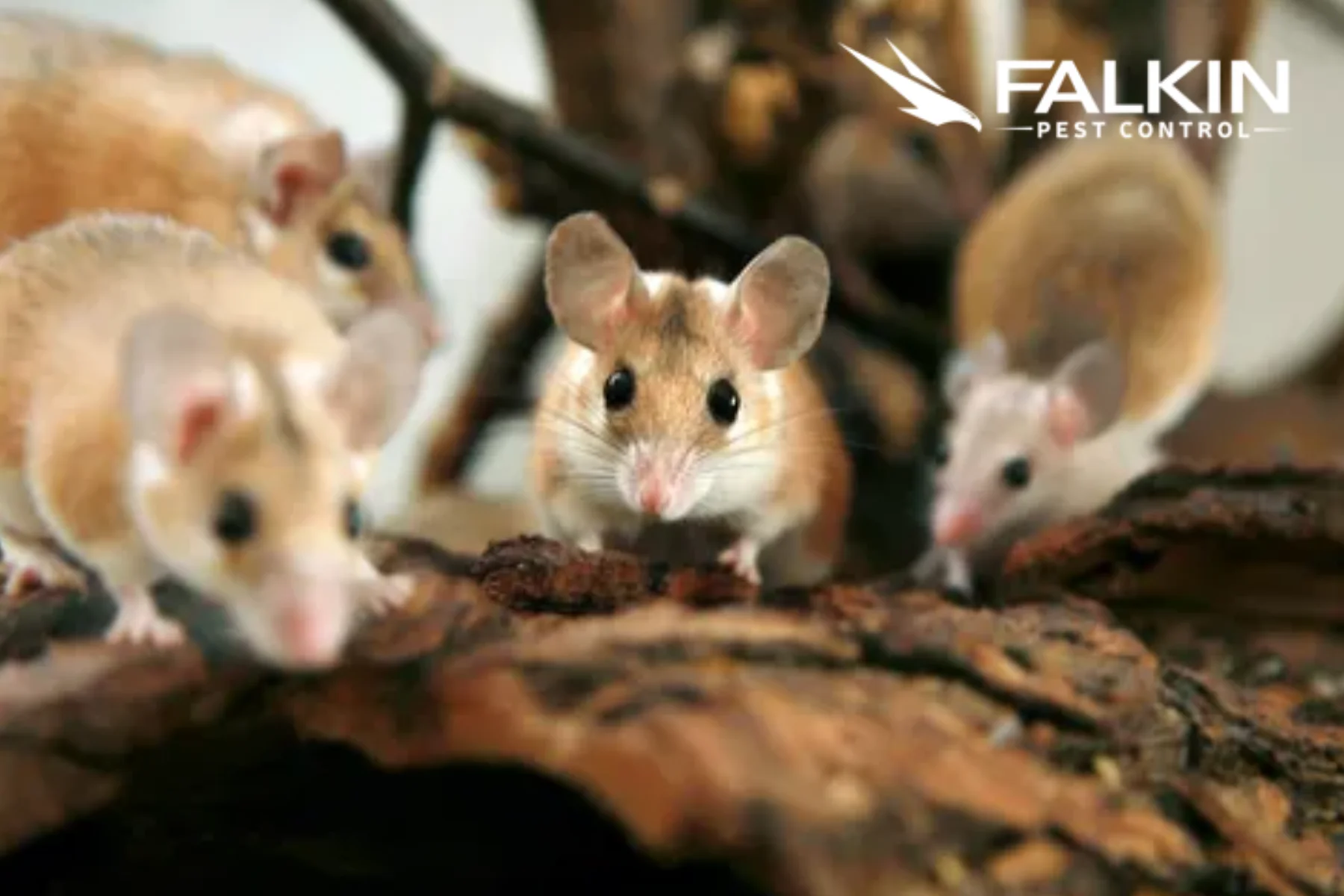
- Rodents: Mice and rats can nest in attics, basements, or behind walls.
- Pantry Moths and Beetles: These insects infest dry goods such as flour, cereal, and pet food.
Outdoor Pests
Outdoor pests typically live in gardens, soil, trees, and lawns. While they can cause problems outside, they often become a concern when they migrate indoors during seasonal changes or when food sources become scarce.
Common Outdoor Pests:
- Mosquitoes: Breed in standing water and feed on human and animal blood.
- Ticks: Latch onto hosts in grassy or wooded areas, potentially spreading diseases.
- Bees and Wasps: Build nests in trees, eaves, and other sheltered areas.
- Termites: Live underground or in wood and can invade homes silently.
- Garden Pests: Aphids, beetles, and caterpillars that damage plants and landscaping.
Why Outdoor Pests Move Indoors
Even though some pests prefer outdoor environments, weather conditions, food scarcity, and breeding cycles can drive them inside. In colder months, insects and rodents may enter homes to escape freezing temperatures. Similarly, heavy rains or droughts can disrupt their natural habitats, pushing them to seek shelter indoors.
For homeowners in Colorado, seasonal transitions can significantly impact pest activity. A pest control Longmont plan that addresses both indoor and outdoor threats can help prevent these seasonal invasions.
Health and Property Risks from Indoor and Outdoor Pests
Indoor Pest Threats
Indoor pests often pose greater risks to human health because they live in close proximity to people. Rodents can contaminate food and surfaces with droppings. Cockroaches can trigger asthma and allergies. Bed bugs cause skin irritation and disrupt sleep. Pantry pests can spoil stored food, leading to waste and expense.
Outdoor Pest Threats
While outdoor pests may seem less threatening, they can still cause serious problems. Mosquitoes and ticks are well-known carriers of diseases. Termites can cause structural damage that goes unnoticed until repairs become costly. Stinging insects like wasps and hornets can pose serious risks to people with allergies.
Prevention Strategies for Indoor Pests
Maintain Cleanliness
Regular cleaning removes food crumbs and spills that attract pests. Store dry goods in airtight containers and take out trash promptly.
Seal Entry Points
Check for gaps around doors, windows, and utility lines. Even small openings can be entryways for ants, rodents, or cockroaches.
Control Moisture
Repair leaky faucets and ensure proper ventilation in basements and bathrooms to reduce humidity levels, which attract pests.
Prevention Strategies for Outdoor Pests
Yard Maintenance
Keep grass trimmed, bushes pruned, and remove yard debris that provides shelter for insects and rodents.
Eliminate Standing Water
Empty birdbaths, clean gutters, and ensure proper drainage to prevent mosquito breeding.
Inspect Structures
Check sheds, decks, and fences for signs of termites or other wood-damaging pests.
Why Integrated Pest Management Works Best
Integrated Pest Management (IPM) is an approach that combines prevention, monitoring, and targeted treatments. Rather than relying solely on pesticides, IPM emphasizes long-term solutions that address the root causes of infestations.
For example, an IPM plan for an ant infestation might include sealing cracks, removing food sources, and applying treatment directly at the nest. For termites, it might involve soil monitoring, moisture control, and localized treatment.
Homeowners seeking residential pest control near me can benefit from working with professionals who understand both indoor and outdoor pest behavior and can develop tailored solutions.
The Importance of Professional Pest Control
While DIY methods can help reduce minor pest problems, infestations often require expert attention. Professionals have the knowledge and tools to identify pest species, locate nests, and apply treatments safely and effectively.
Residents looking for residential pest control Longmont benefit from localized expertise that addresses Colorado’s unique pest challenges. Whether it’s an ant colony in the kitchen or wasp nests in the backyard, a Longmont CO exterminator can ensure the problem is fully resolved.

Balancing Indoor and Outdoor Pest Protection
Protecting your home from pests requires a dual approach, addressing current infestations while preventing future ones. Indoor measures keep pests from establishing themselves in your living areas, while outdoor strategies reduce the chances of pests reaching your home in the first place.
Combining regular inspections, home maintenance, and professional services can provide year-round protection. Whether you need prevention for seasonal invaders or solutions for ongoing issues, a comprehensive plan is the best defense. For lasting results, trust pest control Arvada CO to keep your home protected.
About Falkin Pest Control
Falkin Pest Control is a trusted pest management company serving Longmont, Boulder County, and surrounding Colorado communities. We provide effective and environmentally responsible solutions for a wide range of pest problems, including insects, rodents, and wildlife. Our services cover both residential and commercial properties, with a focus on protecting your home from indoor and outdoor threats year-round. Whether you’re in need of pest control Longmont CO or searching for reliable residential pest control near me, our team delivers customized strategies designed for your property’s specific needs.