Indoor and outdoor pests differ mainly in where they live, what attracts them, and how they interact with your property. Some pests are well adapted to living inside homes, while others normally stay outdoors but may enter when they find food, moisture, shelter, or more favorable conditions. Understanding these differences can help you identify pest activity earlier and choose the right prevention or control approach.
Indoor vs. Outdoor Pests: What’s the Difference?
The simplest way to distinguish indoor and outdoor pests is to consider where they typically find the conditions they need to survive.
Indoor pests are commonly found inside homes and buildings because they can access food, water, warmth, and shelter. Cockroaches, rodents, bed bugs, and pantry pests are examples of pests that can establish activity indoors.
Outdoor pests generally live in areas such as lawns, gardens, trees, soil, and other exterior spaces. Mosquitoes, ticks, wasps, and many plant-feeding insects are primarily associated with outdoor environments.
However, the distinction is not always absolute. Some pests can move between outdoor and indoor environments. Ants, termites, rodents, and certain insects may live or forage outside while entering structures when conditions are favorable. For homeowners dealing with recurring activity, pest control in Longmont, CO can help identify where the problem is coming from and determine an appropriate approach.
| Indoor Pest Activity | Outdoor Pest Activity |
|---|---|
| Often associated with food, moisture, warmth, and shelter inside buildings | Often associated with soil, vegetation, water, wood, and outdoor shelter |
| May occur in kitchens, walls, attics, basements, and storage areas | May occur in lawns, gardens, trees, decks, sheds, and surrounding areas |
| Prevention focuses heavily on sanitation, moisture control, and exclusion | Prevention often involves yard maintenance, water management, and exterior exclusion |
| Examples include rodents, cockroaches, bed bugs, and pantry pests | Examples include mosquitoes, ticks, wasps, and many garden pests |
The goal is not simply to determine whether a pest is “indoor” or “outdoor.” It is to understand why the pest is present and where the activity is coming from.
What Are Common Indoor Pests?
Indoor pests can take advantage of conditions that make a home comfortable and accessible.
Cockroaches
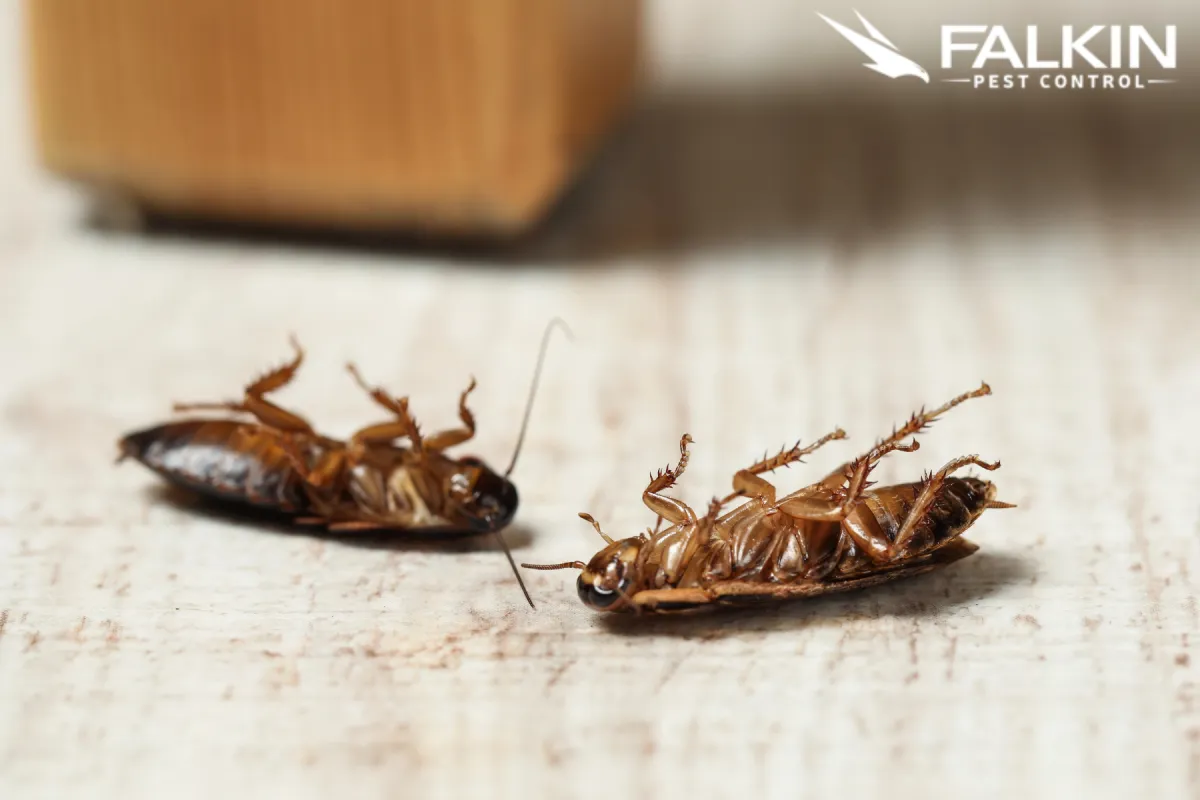
Cockroaches often seek areas with food, moisture, warmth, and shelter. Kitchens, bathrooms, utility areas, and other humid spaces can provide favorable conditions.
Signs may include live or dead cockroaches, droppings, shed skins, or activity around food and water sources.
Ants
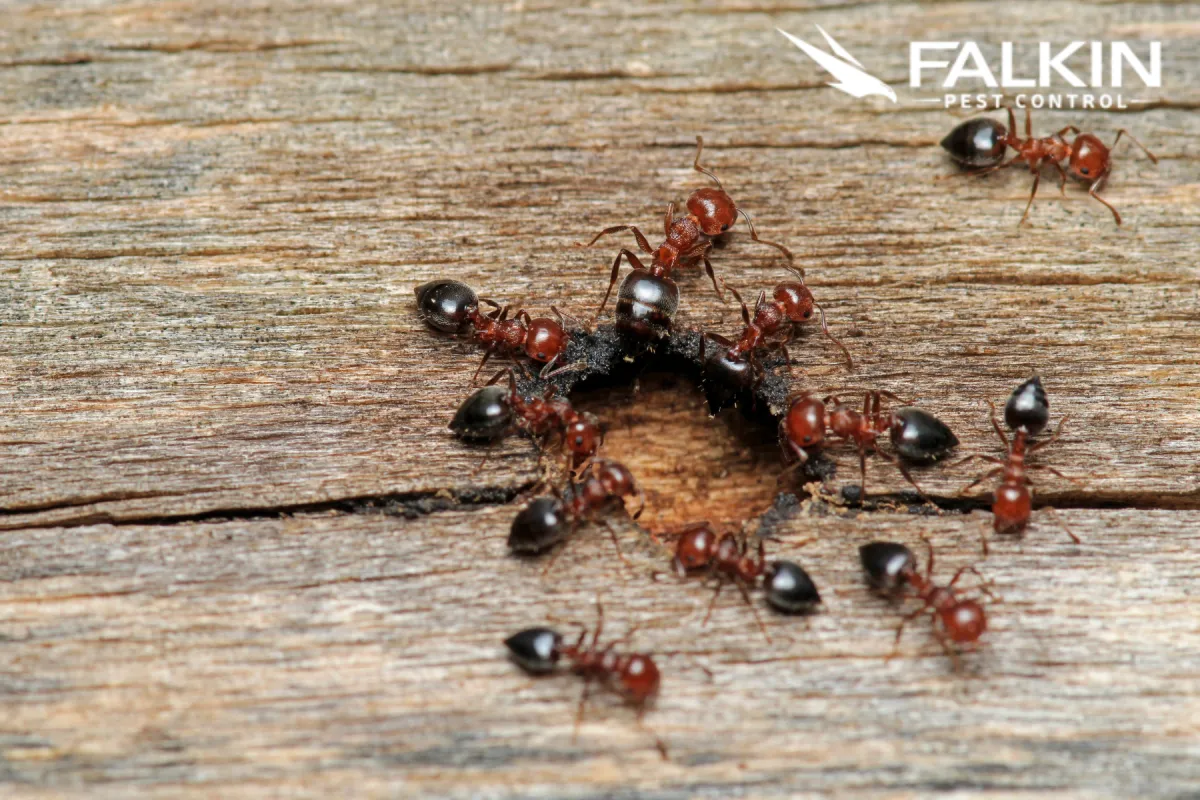
Ants may enter homes while searching for food or water. Some species can establish nests in or around structures, while others primarily forage indoors from colonies located outside.
Following trails can sometimes help identify where ants are entering, but visible workers do not always reveal the exact location of the colony.
Rodents
Mice and rats can enter through openings around doors, foundations, roofs, utility penetrations, and other vulnerable areas. Once inside, they may use wall voids, attics, crawlspaces, garages, or other concealed locations for shelter.
Droppings, gnaw marks, nesting materials, scratching sounds, and damaged food packaging can indicate rodent activity.
Bed Bugs
Bed bugs are indoor pests that are closely associated with people and their resting areas. They can hide in mattress seams, furniture, cracks, and other concealed locations.
Because bed bugs can be difficult to locate, unexplained bites alone should not be treated as definitive proof of an infestation. Other evidence should be considered when identifying the pest.
Pantry Pests
Stored-product pests such as pantry moths and beetles can infest dry foods, including grains, flour, cereal, pet food, and other stored products.
Inspecting food packaging and storage areas can help identify the source and prevent an infestation from spreading to additional products.
What Are Common Outdoor Pests?
Outdoor pests generally depend on environmental conditions found around a property.
Mosquitoes
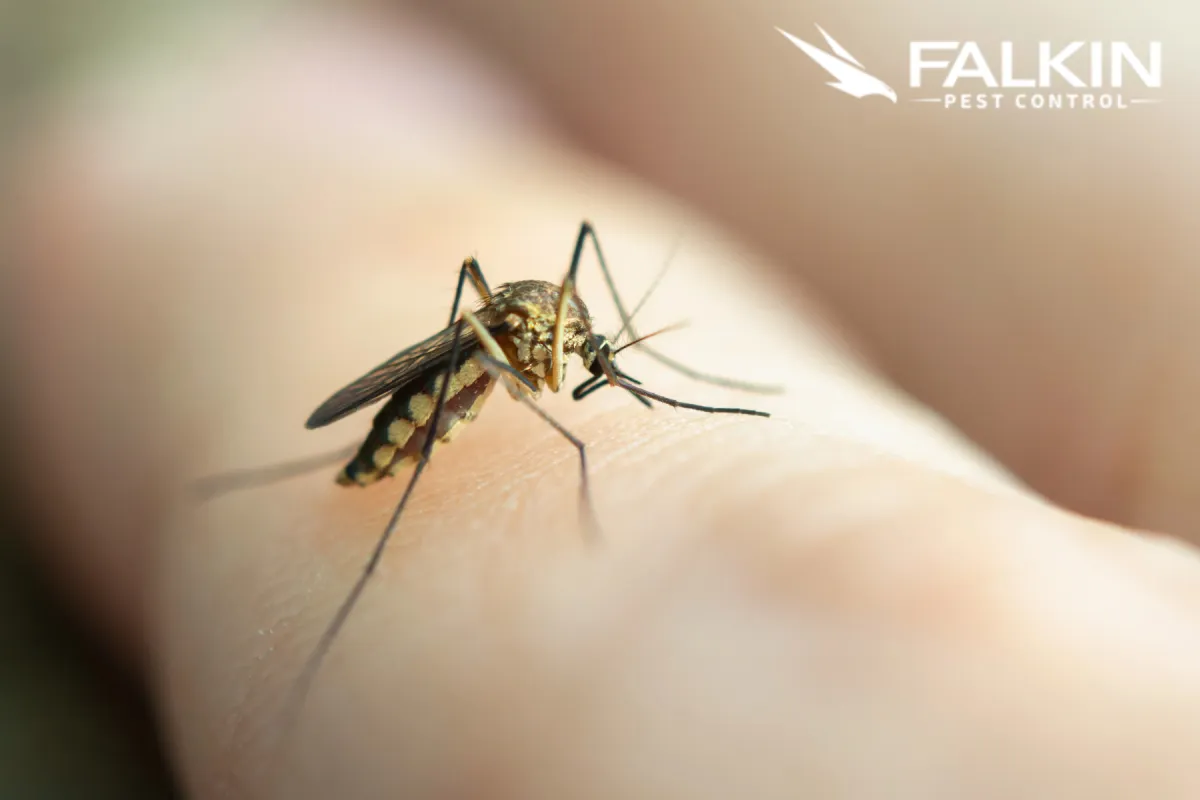
Mosquitoes are associated with water and can reproduce in suitable standing-water sources. Containers, clogged gutters, birdbaths, and other areas that hold water can contribute to mosquito activity.
Reducing unnecessary water accumulation around the property can help limit potential breeding areas.
Ticks
Ticks are commonly associated with vegetation, leaf litter, grassy areas, and environments where suitable hosts are present. Keeping outdoor areas maintained can reduce some conditions that support tick activity.
Wasps and Other Stinging Insects
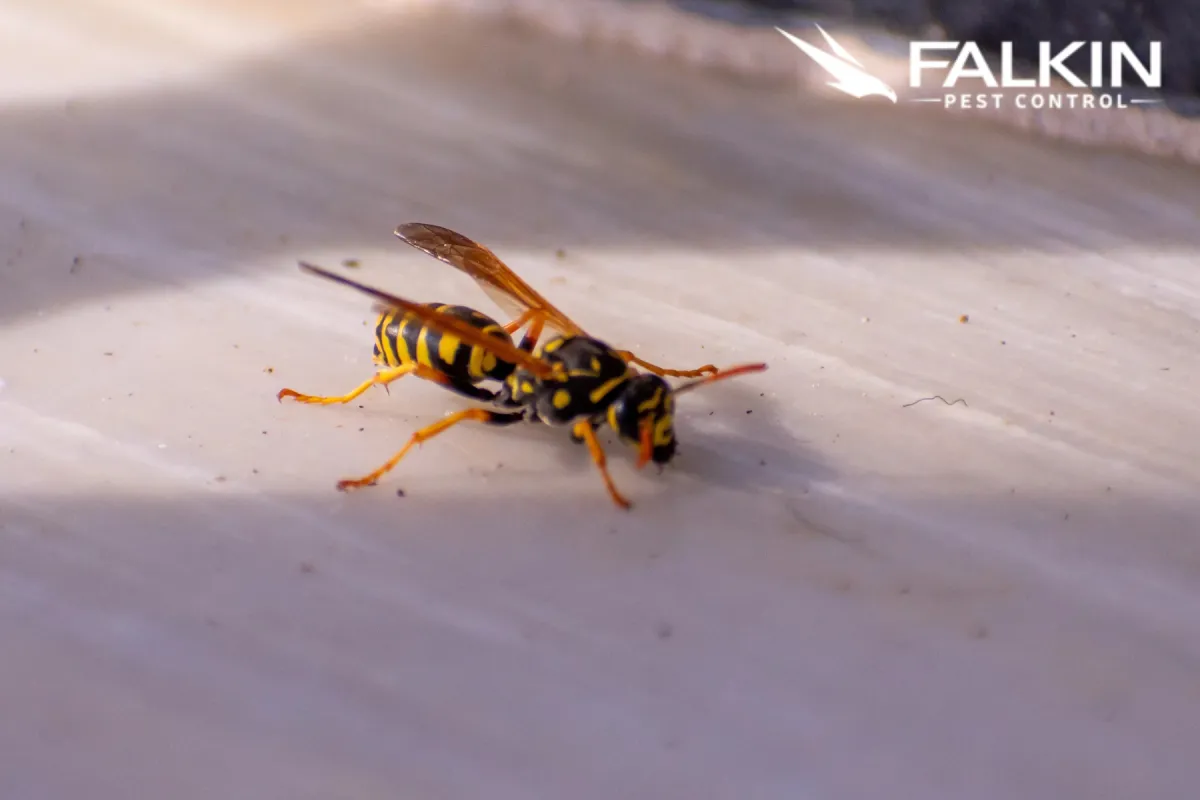
Wasps may build nests around eaves, rooflines, sheds, trees, fences, and other protected areas. Outdoor nests can become a concern when people regularly use the surrounding space.
Active nests should not be disturbed unnecessarily, particularly when they are difficult to access.
Termites
Termites can live in soil or wood and may reach structures while searching for suitable food sources or favorable conditions. Because some termite activity can occur out of sight, signs of damage or other evidence may require professional evaluation.
Garden Pests
A variety of insects can affect plants and landscaping. Aphids, caterpillars, beetles, and other plant-feeding pests may cause visible leaf damage or other signs of stress.
Identifying the specific pest is important because different insects can require different management approaches.
Why Do Outdoor Pests Come Inside?
Outdoor pests do not necessarily enter homes because there is an infestation inside. They may enter when the property provides something they need.
Common factors include:
- Food: Accessible food or organic material can attract foraging pests.
- Water: Leaks, condensation, pet water, and other moisture sources can provide opportunities for some pests.
- Shelter: Gaps, wall voids, attics, garages, and other protected areas can provide refuge.
- Weather changes: Cold temperatures, heavy rain, drought, or other environmental changes can alter pest behavior.
- Seasonal activity: Certain pests become more active during particular times of the year.
- Entry points: Cracks, gaps, damaged screens, and openings around utilities can provide access.
This is why an indoor pest problem sometimes begins with conditions outside the building. Addressing only the pests seen inside may not address the factors allowing them to enter.
How Can You Tell Where Pest Activity Is Coming From?
Identifying the location of pest activity can help determine the next step.
Look for patterns such as:
Activity Around Food or Water
Repeated sightings in kitchens, pantries, bathrooms, or areas with moisture may point toward an indoor food or water source.
Activity Near Doors and Windows
Pests repeatedly appearing near doors, windows, screens, or exterior walls may be entering from outside.
Droppings or Nesting Materials
Rodent droppings, shredded nesting materials, or other evidence in concealed areas can indicate that pests are using the structure for shelter.
Outdoor Nests or Shelters
Nests around eaves, sheds, trees, decks, or other exterior structures may indicate that pest activity is originating outside.
Damage to Wood or Plants
Damage to landscaping may point toward outdoor pest activity, while unexplained wood damage may require closer inspection to determine whether insects or other pests are responsible.
The location of a sighting is not always the same as the source of the problem. A pest may travel from another part of the property before it becomes visible.
How to Prevent Indoor Pest Problems
Preventing indoor activity starts with making the property less accessible and less attractive to pests.
Keep Food Properly Stored
Store food in suitable sealed containers and clean up crumbs and spills promptly. Pay particular attention to pantry shelves, pet food, and areas where food debris can accumulate.
Reduce Moisture
Repair leaks and address persistent damp areas where possible. Bathrooms, kitchens, basements, and utility areas deserve particular attention when moisture is present.
Seal Potential Entry Points
Inspect gaps around doors, windows, utility lines, vents, and other openings. Damaged screens and gaps around the structure can provide access for insects and rodents.
Keep Clutter Under Control
Excess clutter can provide hiding places for pests and make signs of activity harder to detect. Keep storage areas organized and avoid unnecessary accumulation of cardboard, paper, and other materials.
Inspect Incoming Items
Some pests can be introduced through food packages, furniture, luggage, boxes, or other belongings. Checking items before bringing them into the home can help reduce the chance of accidentally introducing pests.
How to Reduce Outdoor Pest Activity
Outdoor prevention is equally important because the conditions surrounding a property can influence what eventually reaches the building.
Maintain Landscaping
Keep vegetation maintained and avoid allowing excessive plant growth or yard debris to accumulate directly against the structure.
Remove Unnecessary Standing Water
Regularly check containers, gutters, birdbaths, toys, tarps, and other areas that can collect water. Removing or managing unnecessary water sources can reduce potential mosquito breeding locations.
Manage Yard Debris
Leaves, wood piles, dense vegetation, and other debris can create shelter for various pests. Keeping these areas organized can make the property easier to inspect and maintain.
Inspect Exterior Structures
Check sheds, fences, decks, eaves, rooflines, and other exterior areas for nests, damage, or other signs of pest activity.
Maintain the Building Exterior
A well-maintained exterior can help reduce opportunities for pests to enter. Pay attention to damaged screens, gaps, cracks, and openings around utility penetrations.
Do Indoor and Outdoor Pests Require Different Solutions?
Often, yes. The appropriate response depends on the pest, where it is active, and what is allowing the problem to continue.
For example, an indoor ant problem may require attention to food sources and entry points as well as the colony itself. A mosquito problem, on the other hand, may require identifying outdoor water sources and other conditions around the property.
Similarly, rodent activity inside a building may require exclusion and inspection of concealed areas, while outdoor rodent activity may involve different environmental factors.
The most useful approach is therefore based on identifying the pest and understanding the conditions supporting its activity, rather than applying the same solution to every pest problem. When recurring activity makes the source difficult to determine, Longmont pest control can help assess the situation and identify an appropriate solution.
When Should You Call a Pest Professional?
Professional assistance can be useful when pest activity is persistent, difficult to identify, or occurring in areas that are difficult or unsafe to access.
Consider professional help when:
- You continue seeing pests despite reasonable prevention efforts.
- You cannot determine where the activity is coming from.
- Pests are entering through concealed or difficult-to-reach areas.
- You find evidence of rodents inside walls, attics, or other enclosed spaces.
- You discover an active stinging-insect nest near frequently used areas.
- You suspect termites or other pests may be affecting the structure.
- Pest activity keeps returning after temporary measures.
- The infestation is widespread or difficult to manage.
A professional can help identify the pest, assess contributing conditions, and determine what type of control or prevention approach is appropriate.
For homeowners dealing with recurring activity, pest control in Longmont can provide a starting point for addressing pest problems specific to the property and surrounding area.
Why Indoor and Outdoor Pest Prevention Work Together
Indoor and outdoor pest management should not always be treated as two completely separate problems.
A pest may live outdoors but enter through a gap in the structure. Another may establish itself indoors after finding a reliable source of food or moisture. In some situations, activity in the yard can provide clues about what is happening inside the home.
That makes prevention a combination of:
- Identifying the pest
- Finding where it is active
- Determining what is attracting or supporting it
- Reducing access to food, water, and shelter
- Sealing potential entry points
- Monitoring for continued activity
- Getting professional assistance when the problem persists
This approach focuses on the conditions behind pest activity rather than simply reacting to individual sightings.

Frequently Asked Questions
What is the difference between indoor and outdoor pests?
Indoor pests are commonly adapted to conditions inside buildings, while outdoor pests generally live in environments such as soil, vegetation, trees, and standing water. Some pests can move between both environments depending on available food, shelter, moisture, and seasonal conditions.
Can outdoor pests become indoor pests?
Some outdoor pests can enter buildings when conditions are favorable. Weather changes, food availability, shelter, and accessible entry points can all contribute to pests moving indoors.
Which pests can live both indoors and outdoors?
Ants, rodents, termites, and some other pests may be active both inside and outside a property. Their exact behavior depends on the species and environmental conditions.
How can I tell if pests are entering my home from outside?
Look for activity around doors, windows, exterior walls, utility openings, vents, and other potential entry points. Outdoor nests, droppings, damaged screens, and repeated activity in the same areas can provide additional clues.
How can I prevent outdoor pests from entering my house?
Keep potential entry points sealed, maintain vegetation around the property, reduce unnecessary standing water, manage yard debris, and address food or moisture sources that may attract pests.
About Falkin Pest Control
Falkin Pest Control provides pest management services for homes and businesses in Longmont, Boulder County, and surrounding Colorado communities. The company addresses a range of concerns and can help property owners identify and manage activity affecting their indoor and outdoor spaces.
Need Help With a Pest Problem?
If you are seeing recurring pest activity inside your home or around your property, identifying the source is an important first step. Falkin Pest Control can help assess the situation and determine an appropriate approach for your property. Contact us now to get started.
LEARN MORE HERE:
Indoor & Outdoor Pest Control in Windsor, CO: How Professional Services Can Keep Your Home Safe
Top Pests in Kersey, CO: How to Protect Your Home from Common Household Invaders
Eco-Friendly Pest Control in Kersey: Are Organic Treatments Right for Your Home