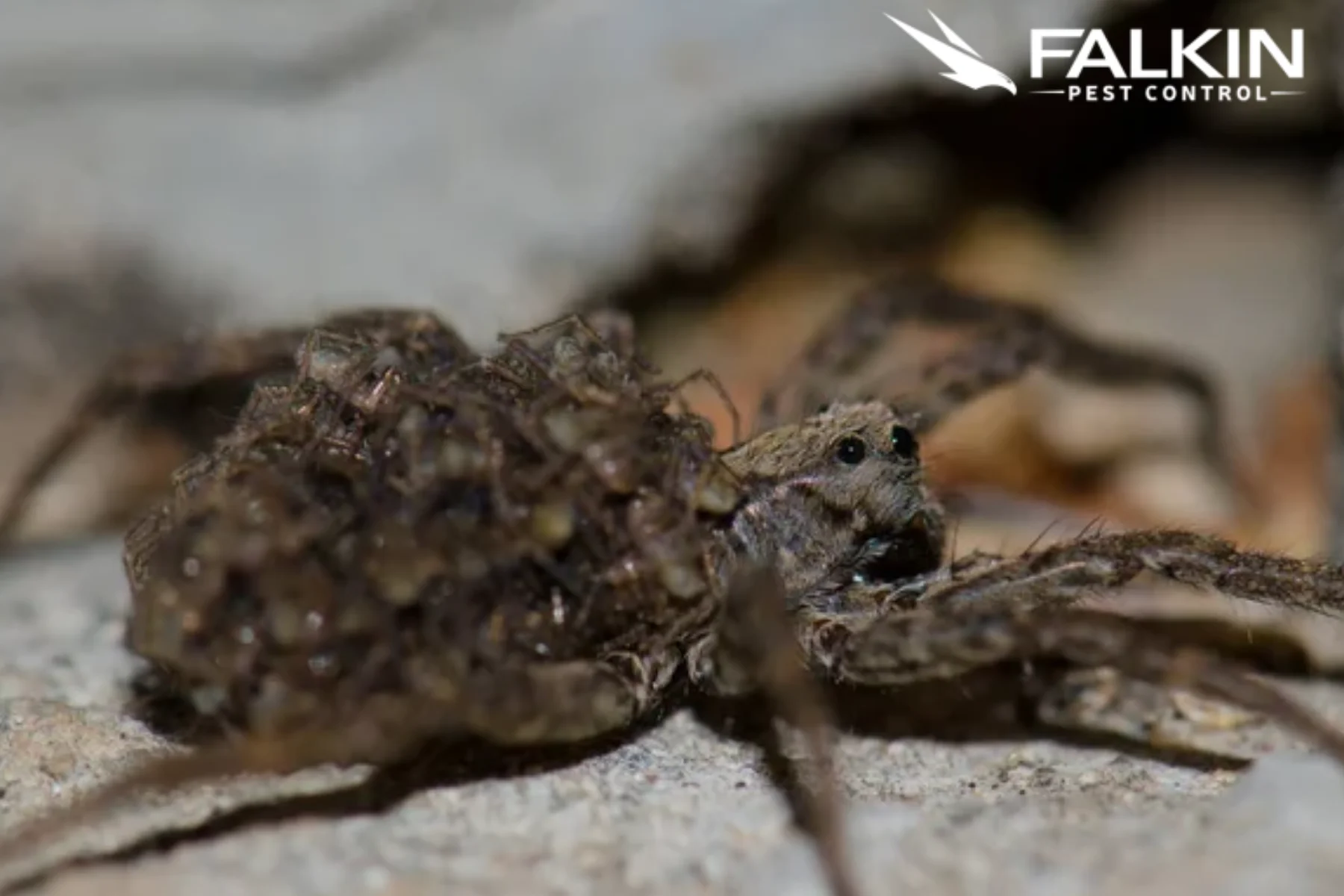
A Colorado wolf spider (Lycosa spp.) is a large, fast-moving spider species commonly found in Colorado. They are named “wolf spiders” due to their ability to hunt down and chase their prey, rather than spinning webs to catch it. These spiders are typically brown or gray, with distinctive markings on their bodies and long, hairy legs. Although not dangerous to humans, their presence indoors can signal other pest issues in your home. If you’re dealing with wolf spiders or other pests, pest control Denver CO professionals can help identify the root causes and prevent further infestations.
5 Key Elements of a Colorado Wolf Spider
Here are the main characteristics and facts about Colorado wolf spiders that can help you identify and manage them effectively:
- Size: Colorado wolf spiders typically measure 1-1.75 inches in length, with long, hairy legs and robust bodies.
- Habitat: They prefer dark, cool environments like basements, garages, and wooded areas, but can wander indoors in search of food.
- Hunting Style: Unlike other spiders, wolf spiders do not spin webs. Instead, they actively target smaller pests such as ants, roaches, and other insects.
- Bite: Their bite is generally harmless to humans and causes mild symptoms like swelling or irritation. However, they will bite if threatened.
- Active Period: Wolf spiders are more active during the warmer months of the year, particularly in late summer and fall.
Why Do Wolf Spiders Come in the House?
Wolf spiders are not trying to invade your home, but rather, they are hunting for food. When they find access points, such as cracks or open windows, they often enter. Here’s why they might enter:
- Search for Prey: Wolf spiders are predatory and will follow food sources such as ants, cockroaches, and other insects into your home.
- Seeking Shelter: As temperatures drop, wolf spiders seek warmer areas indoors, especially basements and other cooler spaces.
Are Wolf Spider Colorado Poisonous?
No, Colorado wolf spiders are not poisonous. While they can bite if provoked, their venom is not harmful to humans. A wolf spider bite may cause mild irritation, redness, or swelling, but it typically does not require medical attention unless the symptoms worsen. If you’re concerned about wolf spiders or other pests in your home, Denver pest control services can help eliminate them and prevent future infestations.
5 Steps to Prevent and Control Colorado Wolf Spiders
Here’s a list of effective steps to prevent wolf spiders from entering your home and reduce their presence indoors:
- Seal Entry Points: Check around windows, doors, and foundations for cracks and gaps. Use caulk or weather stripping to seal these areas.
- Control Moisture: Repair leaky pipes, use dehumidifiers, and ensure proper ventilation to reduce moisture that attracts pests such as wolf spiders.
- Keep Your Home Clean: Regular cleaning helps eliminate the food sources for pests. Be sure to vacuum regularly, especially in corners or under furniture where spiders may hide.
- Remove Outdoor Attractants: Clear away debris, wood piles, and tall grass around the exterior of your home, as these areas are prime habitats for wolf spiders.
- Professional Pest Control: If you notice frequent wolf spider sightings, it’s a good idea to call a Denver exterminator to handle the issue professionally.
Conclusion: Professional Help from an Exterminator
Although Colorado wolf spiders are not dangerous, their presence in your home can indicate an underlying pest problem. If you’re dealing with a wolf spider infestation or need assistance preventing future invasions, it’s time to call in the experts. Pest control services, such as those offered by Falkin Pest Control, can help you eliminate these pests and their food sources.
Contact us today to schedule an inspection and keep your home spider-free year-round!
FAQ: People Also Ask About Colorado Wolf Spiders
Q: Are wolf spiders in Colorado dangerous?
A: No, wolf spiders in Colorado are not dangerous. They may bite if threatened, but their venom is not harmful to humans.
Q: Why do wolf spiders come into the house?
A: Wolf spiders typically come into the house in search of food (insects like ants and cockroaches) or to find shelter from cooler weather.
Q: How can I get rid of wolf spiders in Colorado?
A: To get rid of wolf spiders, seal entry points, eliminate food sources, and reduce moisture. If the issue persists, contact a pest control expert.
Q: Are there wolf spiders in Colorado?
A: Yes, wolf spiders are common in Colorado. They are typically found in outdoor areas but can enter homes in search of food or shelter.
Q: What do wolf spiders eat?
A: Wolf spiders primarily hunt smaller insects, including ants, cockroaches, and other pests. They actively chase their prey rather than using webs.