When pests find their way into your home, they bring more than just inconvenience. From structural damage to health hazards, these uninvited guests can disrupt daily life and compromise your peace of mind. That’s where professional residential pest control services come in. But what exactly do they include?
Understanding what to expect from a pest control service can help homeowners make informed decisions, avoid unnecessary risks, and maintain a safe, healthy living environment. This comprehensive guide explores the key elements of residential pest control, what sets professional service apart, and how homeowners in certain areas can benefit.
Initial Inspection and Assessment
Every effective pest control plan starts with a thorough inspection. Pest control professionals begin by assessing your property inside and out to identify the type of pests present, the extent of the infestation, and conditions contributing to the problem.
Interior Evaluation
Technicians examine common hotspots, including basements, kitchens, bathrooms, attics, and garages. They look for entry points, droppings, damage, nests, and other signs of pest activity. This step helps create a baseline for a treatment plan customized to your specific needs.
Exterior Inspection
The outside of your home is equally important. A trained eye will inspect siding, eaves, foundation gaps, vegetation, and drainage areas for vulnerabilities that may allow pests access. Conditions such as moisture buildup, overgrown landscaping, or gaps in window frames are often identified during this phase.
Customized Treatment Plan
Once the assessment is complete, the next step is designing a strategy to address current infestations and prevent future ones. This is tailored to your home’s structure, the identified pest types, and environmental factors.
Targeted Application
Using industry-approved products, pest control professionals treat both the interior and exterior of the property. Treatments vary depending on the pests involved, and may include:
- Insect growth regulators
- Baits and traps
- Dusts and aerosols
- Perimeter sprays
Professionals delivering residential pest control in Boulder services follow strict protocols to ensure the safety of pets, children, and the environment while maximizing the effectiveness of their methods.
Environmentally Conscious Solutions
Modern pest control approaches emphasize responsible use of products. Professionals often select solutions that are low-toxicity, biodegradable, and approved by regulatory bodies. This provides effective control while reducing the impact on your home and the surrounding ecosystem.
Preventive Measures and Exclusion
Pest control isn’t just about eliminating what you see; it’s about making your home an unwelcome environment for future infestations.
Sealing Entry Points
After treatment, professionals may recommend or assist in sealing cracks, gaps, and holes around the property. This includes caulking windows, installing door sweeps, and repairing screens.
Sanitation and Landscaping Tips
You may receive practical recommendations, such as proper food storage, waste management, and landscaping adjustments, to minimize conditions that attract pests. Routine cleaning, clearing standing water, and trimming vegetation away from the home are common steps encouraged by professionals.
Follow-Up Visits and Monitoring
Effective pest control is not a one-time event. It’s a process. Reputable providers schedule follow-up visits to ensure success and adjust treatments if needed.
Ongoing Inspections
During these follow-ups, the technician evaluates the treatment’s effectiveness and monitors for any new activity. This is particularly important in cases involving persistent pests like ants, rodents, and cockroaches.
Seasonal Protection
Seasonal changes can influence pest behavior. Professionals providing pest control in Boulder, CO, often tailor plans to accommodate seasonal surges in pest populations, such as ants in the spring or rodents in the winter.
Common Pests Addressed in Residential Service
Most residential pest control searches bring up providers who can handle a wide range of household pests. A standard residential plan typically covers:
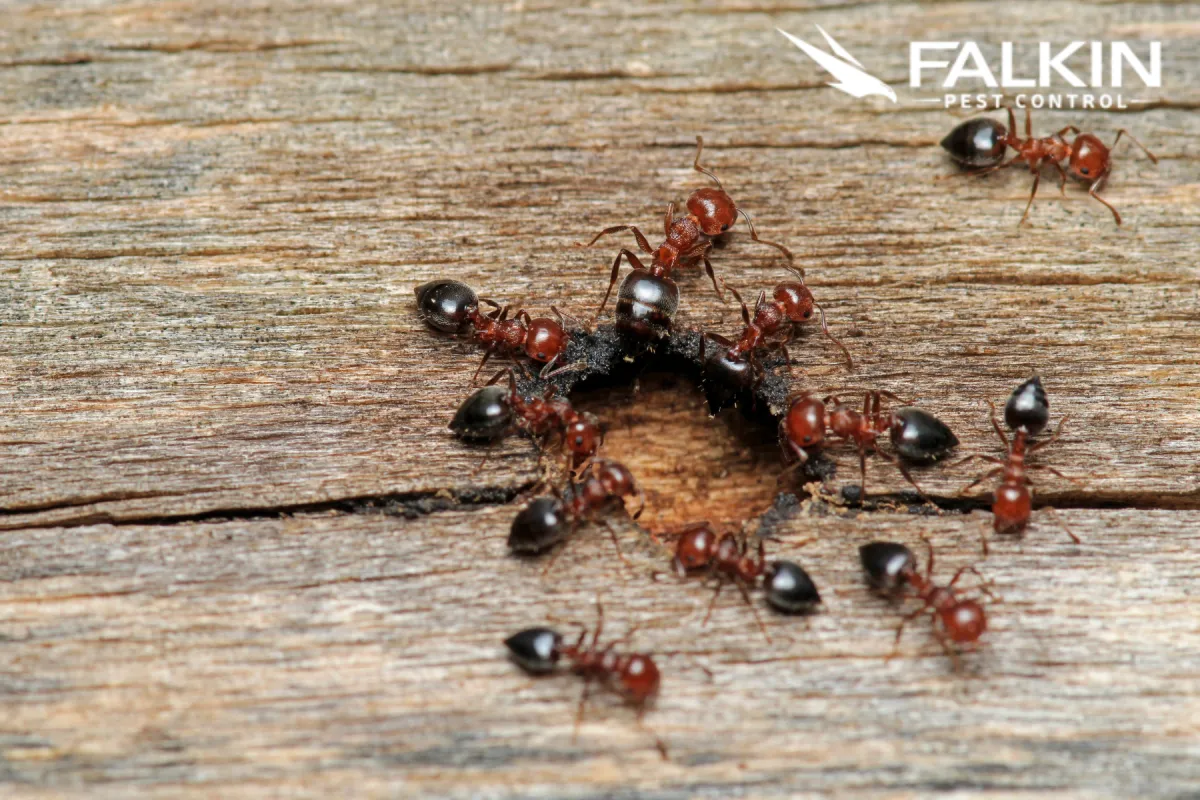
- Ants: Including carpenter ants, which can damage wood structures.
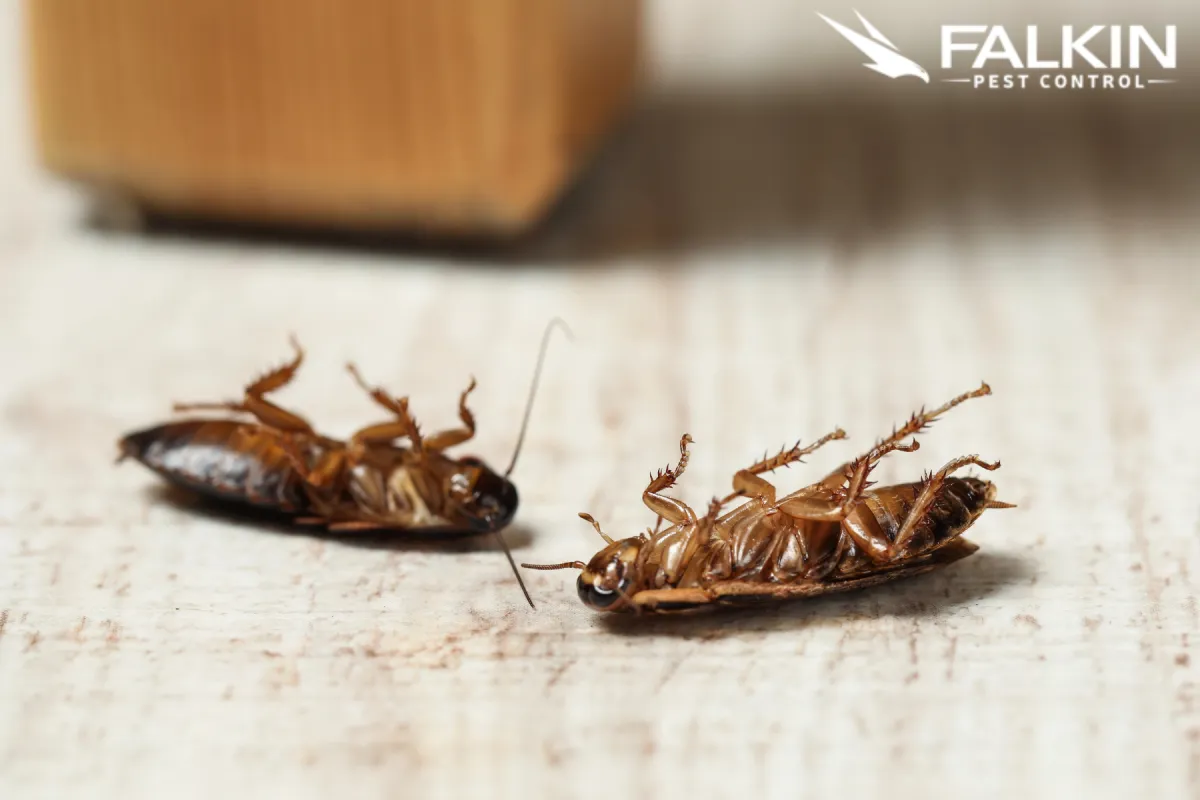
- Cockroaches: Known for spreading allergens and bacteria.
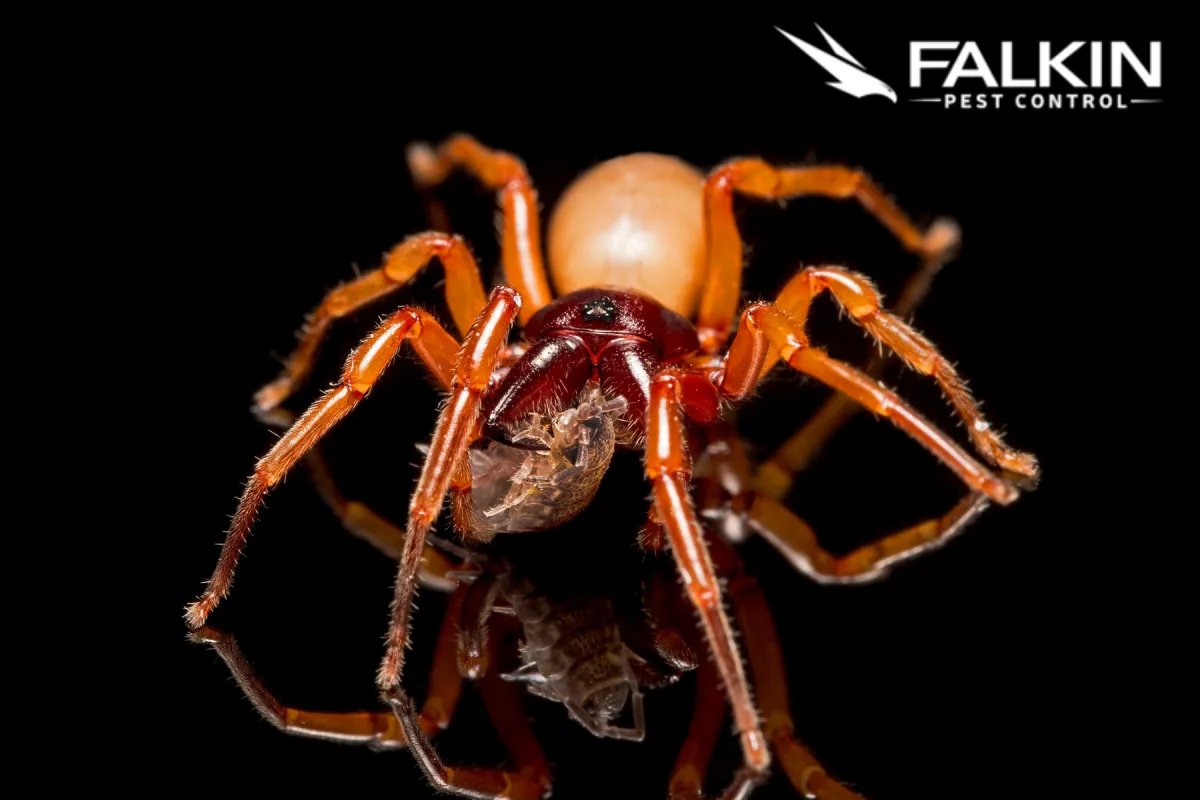
- Spiders: Some of which can be venomous.
- Rodents: Mice and rats that chew wires, contaminate food, and spread disease.
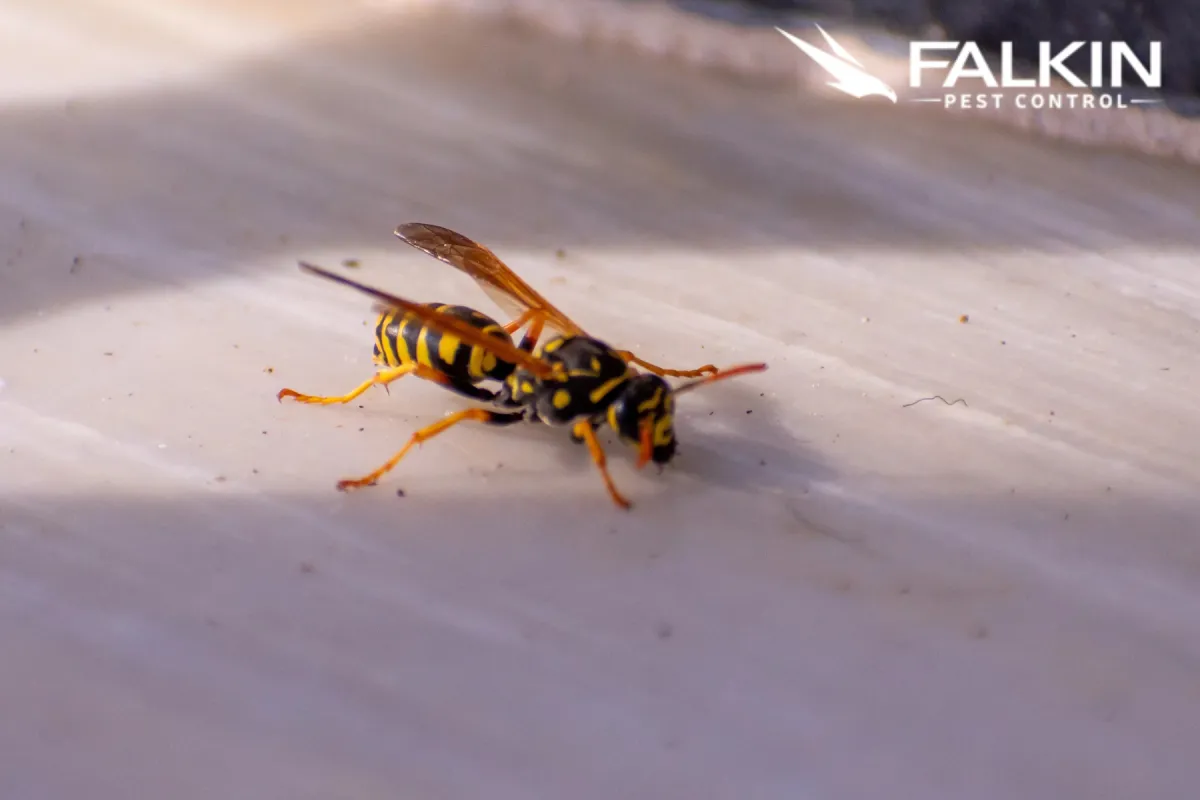
- Wasps: Especially aggressive when nesting near homes.
- Silverfish and Earwigs: Common in damp areas.
- Centipedes and Millipedes: Often found in basements and crawl spaces.
Some pest control providers offer add-ons for more specialized pests, such as termites, bed bugs, or wildlife, depending on the region.
Why Professional Help Matters
While DIY methods may offer short-term relief, they often miss the root of the issue. Here’s why calling a licensed exterminator in Boulder is the best choice for lasting protection:
- Accurate Identification: Not all pests require the same treatment. Professionals correctly identify the pest before applying the right method.
- Safer Applications: Technicians are trained to apply products safely to protect your household.
- Efficiency: Pros have access to more effective tools and treatments than store-bought options.
- Peace of Mind: Regular monitoring and prevention eliminate the guesswork and stress of managing pests on your own.
When you work with a local Boulder pest control expert, you’re not only investing in a cleaner home, you’re also taking proactive steps to maintain its value and safety.
What to Expect After Treatment
Once a professional service is completed, you may notice temporary activity as pests leave treated areas. This is normal. Homeowners are typically advised to:
- Avoid cleaning treated surfaces immediately
- Keep an eye out for reduced pest activity over the next few days
- Follow any specific safety guidance provided by the technician
If follow-up treatment is scheduled, the technician will re-inspect and adjust the plan if any signs of activity persist.

FAQs
1. What does residential pest control include?
It includes inspection, customized treatment, prevention, and follow-up visits to keep pests away.
2. How long does pest control treatment last?
Results can last several weeks to months, depending on the pest and treatment plan.
3. Are pest control treatments safe for families?
Yes, professionals use approved methods designed to be safe for people and pets.
4. Do I need ongoing pest control services?
Yes, regular treatments help prevent future infestations and maintain protection.
5. Can pest control handle all types of pests?
Most services cover common pests, with options for specialized treatments if needed.
About Falkin Pest Control
Falkin Pest Control is a trusted provider of residential pest control in Boulder and throughout the surrounding areas. Based in Colorado, Falkin delivers safe, science-backed pest solutions for homes and businesses. With a focus on customized service, eco-conscious treatments, and reliable follow-up care, Falkin Pest Control ensures your home remains protected from unwanted invaders year-round. For trusted results, choose a solution to safeguard your property.
Ready to Protect Your Home?
Residential pest control is more than a one-time fix; it’s a long-term strategy to keep your home clean, safe, and pest-free. With the right service provider, you can expect a thorough inspection, customized treatment, preventive guidance, and reliable support.
For homeowners seeking residential pest control, knowing what to expect can make all the difference when choosing the right partner for long-term protection. Take control of your home and keep pests out for good. Contact us today to schedule your inspection and get a customized plan that protects your home year-round.
Learn more here:
How Often Should You Schedule Residential Pest Control Services?
Are Pests Invading Your Space? Signs It’s Time for Professional Residential Pest Control
The Hidden Invaders: How to Spot Early Signs of a Home Pest Infestation